
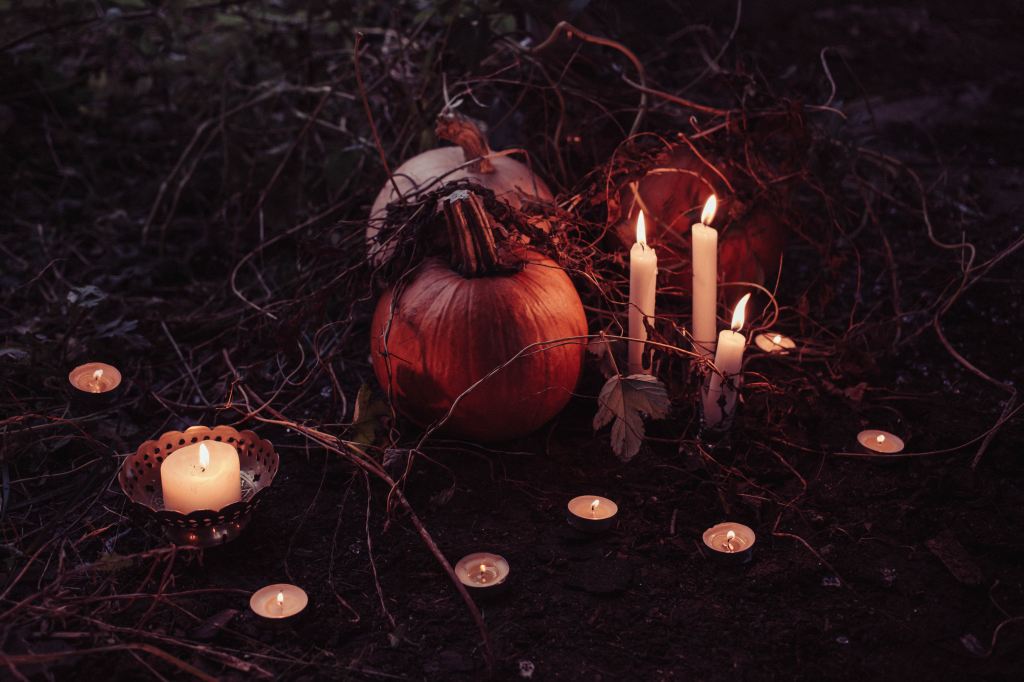
Halloween is celebrated around most of the world, but do most people know the true origins of the holiday?
Halloween began as a Celtic festival called Samhain. This festival begins on the evening of Oct. 31 and is celebrated through Nov. 1. This marked the end of the harvest season and the beginning of winter. There are, however, false theories from several Christian groups about the origins of Samhain.

According to the World History Encyclopedia, Charles Vallancey, an 18th-century British engineer, wrote about the Celtic festival with very little knowledge of the people’s cultures and traditions. This led to the belief that Sam Hain, the Celtic God of the dead, would feast on sacrifices Halloween night.
This, however, was not the case. Samhain was a borderline festival, a time in which the worlds of the living and the dead were closest. according to research conducted by Brown University. For the Celtic people, the festivities suspended the natural order as summer and winter, or light and dark, converged.
This led to rituals, such as lighting large fires to burn the dead livestock in what they called bone fires. Wearing masks also became a tradition to appease the gods and bring forth another prosperous harvest season the following year.
The tradition of having bonfires still carries on today.
“Teenagers get pallets and timber and anything they can find to make bonfires,” said Dublin resident John Burnett, “Sometimes, they’ll knock on people’s doors asking if they’ve anything they want to get rid of so they can use it in the bonfire.”
These beliefs also led people to believe that the worlds of the living and the dead are closest on this day, according to the World History Encyclopedia. Much like the holiday Dia De Los Muertos, or Day of the Dead, the Celts believed that their ancestors could have the chance to walk among them on this day.
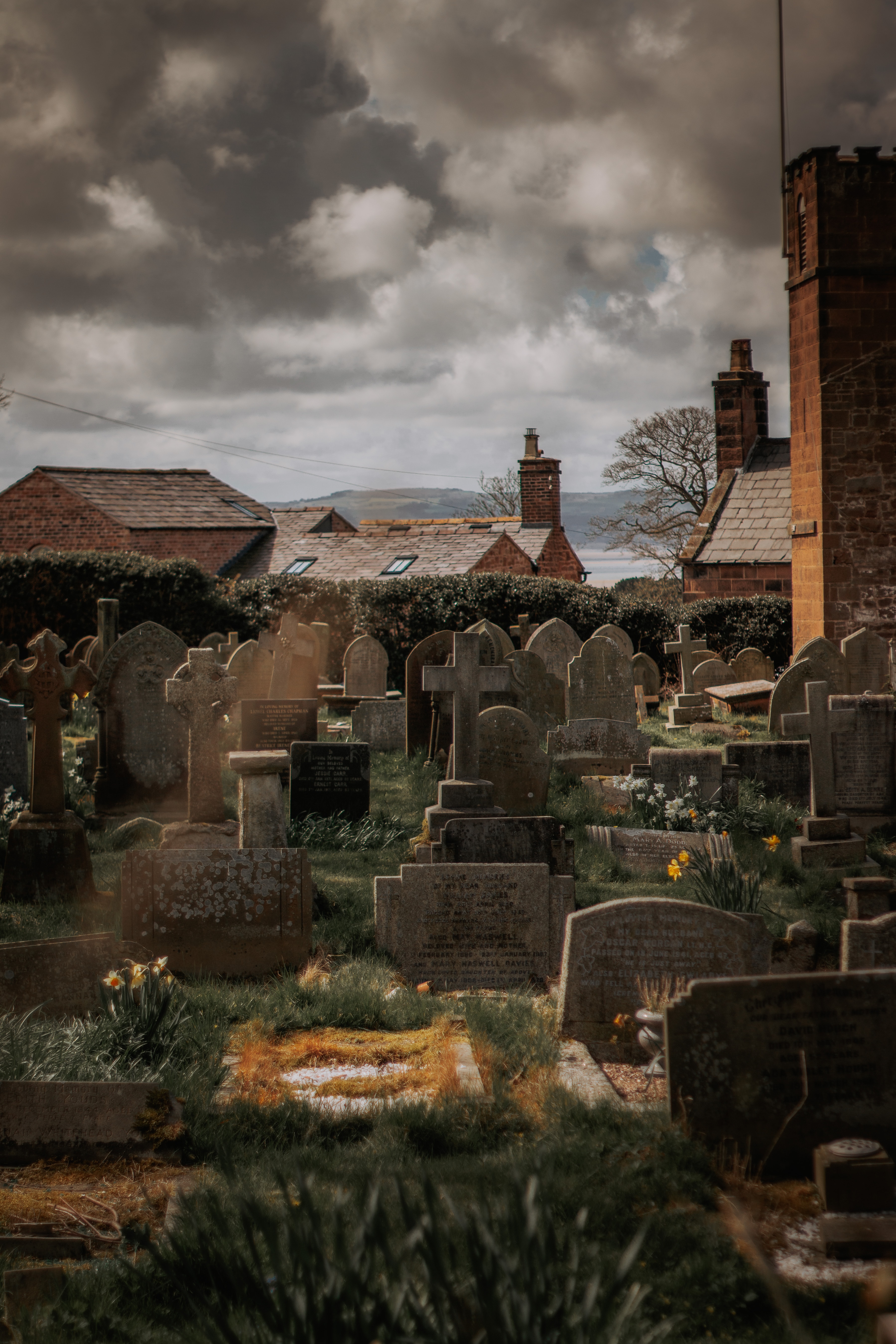
Reflections of this belief can be seen in modern day celebrations, as Halloween is associated with all things spooky and scary.
All Saints Day was started in the early 700s by Pope Gregory III, according to CNN. Celebrated on Nov. 1, All Saints Day is a holiday in which Christians remember and reflect on those who died throughout the year.
The Christian church, however, did not come up with this holiday on their own. They borrowed many ideas and traditions from the Celtic holiday, Samhain, according to the Smithsonian Magazine. The following day was called All Souls Day and this was a day Christians prayed for the dead who were waiting in the purgatory. Then, All Saints Day also became known as All Hallows Eve.
A time honored tradition of Halloween is trick-or-treating. This essential part of modern day Halloween can also be traced back to Samhain and All Saints Day. According to History, in Ireland, Northern France and the United Kingdom, in celebration of Samhain, people would dress up in costumes and wear masks to drive away unwanted spirits. This evolved into what they called mumming, in which people would dress up in scary costumes and perform tricks in exchange for food.

Christians began similar traditions on their holiday of All Hallows Eve. Souling was when lower-class people in England would walk to the houses of the rich and ask for “soul cakes” in exchange for praying for their recently departed loved ones. This tradition was soon taken up by children who would ask for food and money.
There are so many more Halloween traditions that are steeped in superstition and lore. One being báirín breac or barmbrack.
“We have báirín breac which is like a bread cake and you slice it up. One slice has a ring in it,” said Burnett, “It’s like a fortune telling. Whoever gets it, they’ll get married.”
Throughout time, these traditions meshed into the second largest commercial holiday in the world, creating what we now know as Halloween.
 all Platts now
Leave a comment