

Sleep is something we love and hate throughout different phases of our lives. As kids, we put up a fight when our parents tell us it’s nap time. But as we become adults, we wish there were more hours in the day for nap time.
Just as sleep would prepare us for a long day of play when we were young, as adults, sleep becomes even more important in order to make it through a day filled with responsibilities.
Despite this, the struggle to fit in those eight hours is real. But getting adequate rest is possible though, and there are a number of habits you can practice and master to achieve this.

1. Power Off
In today’s world, while hard to admit, most of us are likely kept awake by our cell phones. While scrolling through social media may seem like a brainless activity, when done right before sleep, it may actually be turning on our brains in a way we don’t realize. According to the National Sleep Foundation, the blue light emitted from electronic devices like cell phones, computers and tablets, can trick our brains into thinking it’s earlier in the day, therefore keeping us awake. For this reason, it’s a good idea to refrain from using your phone an hour before you sleep.
2. Establish a Routine
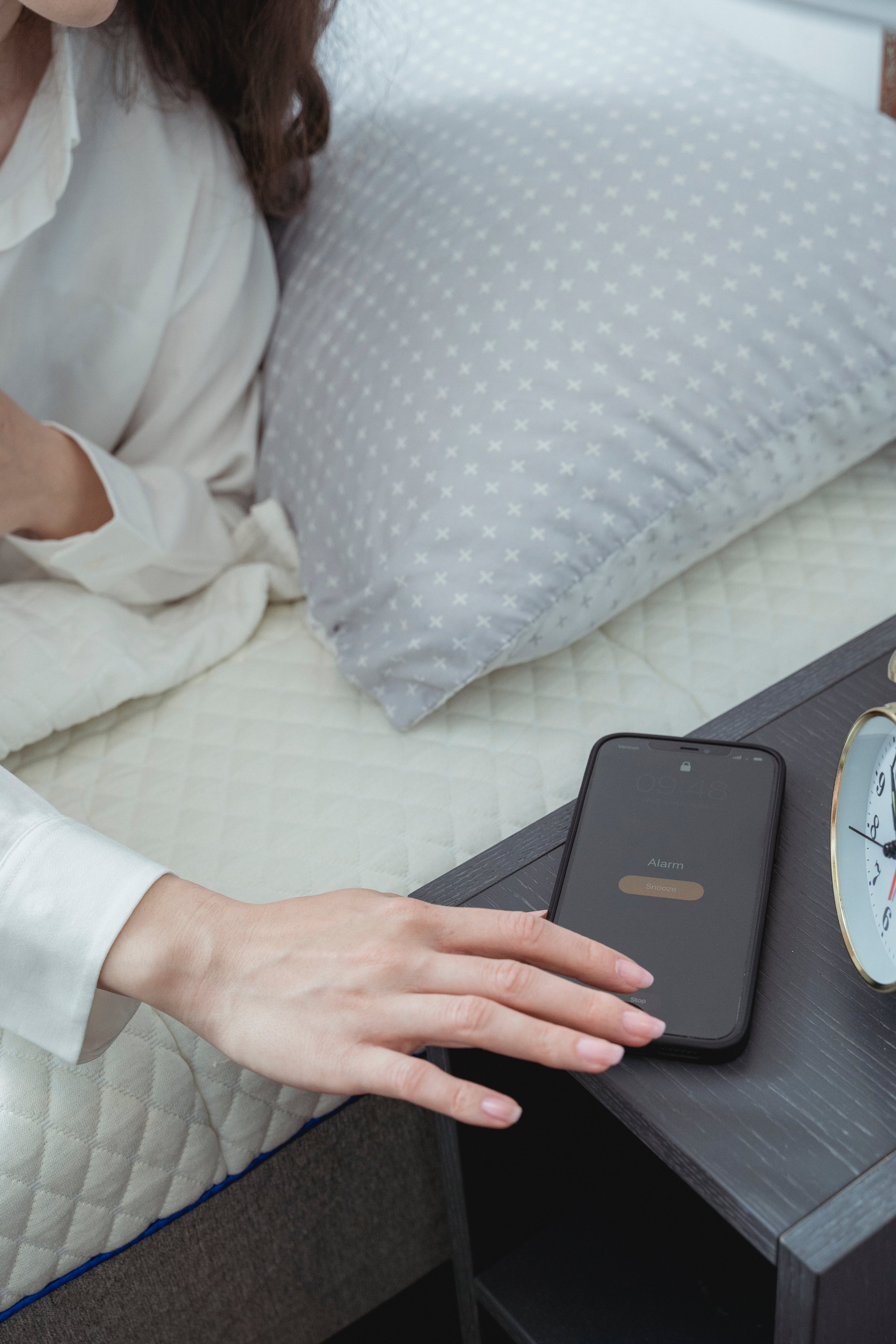
Another habit to develop is maintaining a routine leading up to bedtime. While this may look different for everyone, pediatrician Dr. Jess Andrade suggests the10-3-2-1-0 method. First, you want to stop drinking caffeine 10 hours before you sleep. Then, you’ll also want to finish eating big meals and drinking alcohol three hours before you hit the pillow. You also shouldn’t be doing work right up until you decide to go to bed. Give yourself two hours to unwind after calling it quits on work for the night. As previously mentioned, enforce a one hour buffer between powering off your phone or other electronic devices and hitting the hay. Lastly, Andrade says zero is the number of times you will hit your snooze button. If you’re someone who sets a dozen alarms because you know you are notorious for hitting snooze, this may sound impossible. But waking up rested is the result of taking charge of your routine before bed to set you up for a successful tomorrow, which starts with establishing a set bedtime.

3. Put in Effort to Unwind
You may be thinking that with those standards, boredom sounds like the only option before sleep, but there are many ways to unwind besides using electronics. Something as simple as reading a few pages of a book can be relaxing and even provide a final feeling of achievement for the day. Getting your mind and body in sync before you snooze is important. It’s easy to lay in bed and be consumed by your thoughts. But practicing something as simple as a brief breathing exercise to make yourself present and relaxed can be beneficial in thwarting stressful thoughts.

4. Create Your Dream Sleep Environment
Another way to prepare yourself for a restful night’s sleep is to create an environment you are most comfortable in. Consider tidying your room up a bit if having a clean space will help clear your mind, or maybe your mind can’t stand the silence. In this case, try putting on something with sound that will fill that void, but won’t disrupt your zen. Sleepopolis suggests green noise, a frequency of white noise that often mimics sounds of nature.
The temperature of your sleep setting can also make or break how restful you feel in the morning. According to an article written by Klaudia Balogh of Healthnews, “sleeping in a cold room helps your body release adequate amounts of melatonin and prevents cortisol (stress hormone) from rising and waking you up,” thus improving your quality of sleep. If you prefer to be cold and able to hear some sort of sound when you sleep, having a fan on can cover both of those bases.
On the contrary, society has jokingly deemed individuals who wear socks to bed as psychos. But in reality, there are health benefits that come with slipping on your favorite fuzzy socks before climbing into bed. Sleepopolis says sleeping with socks on can help regulate your body temperature and increase circulation throughout the night.
Prioritizing sleep is important, especially as your life gets busier and your days become packed with more responsibilities. Developing some of the habits mentioned above can make a world of difference when it comes to catching the most Z’s and waking up feeling ready to tackle the day.
 all Platts now
Leave a comment