
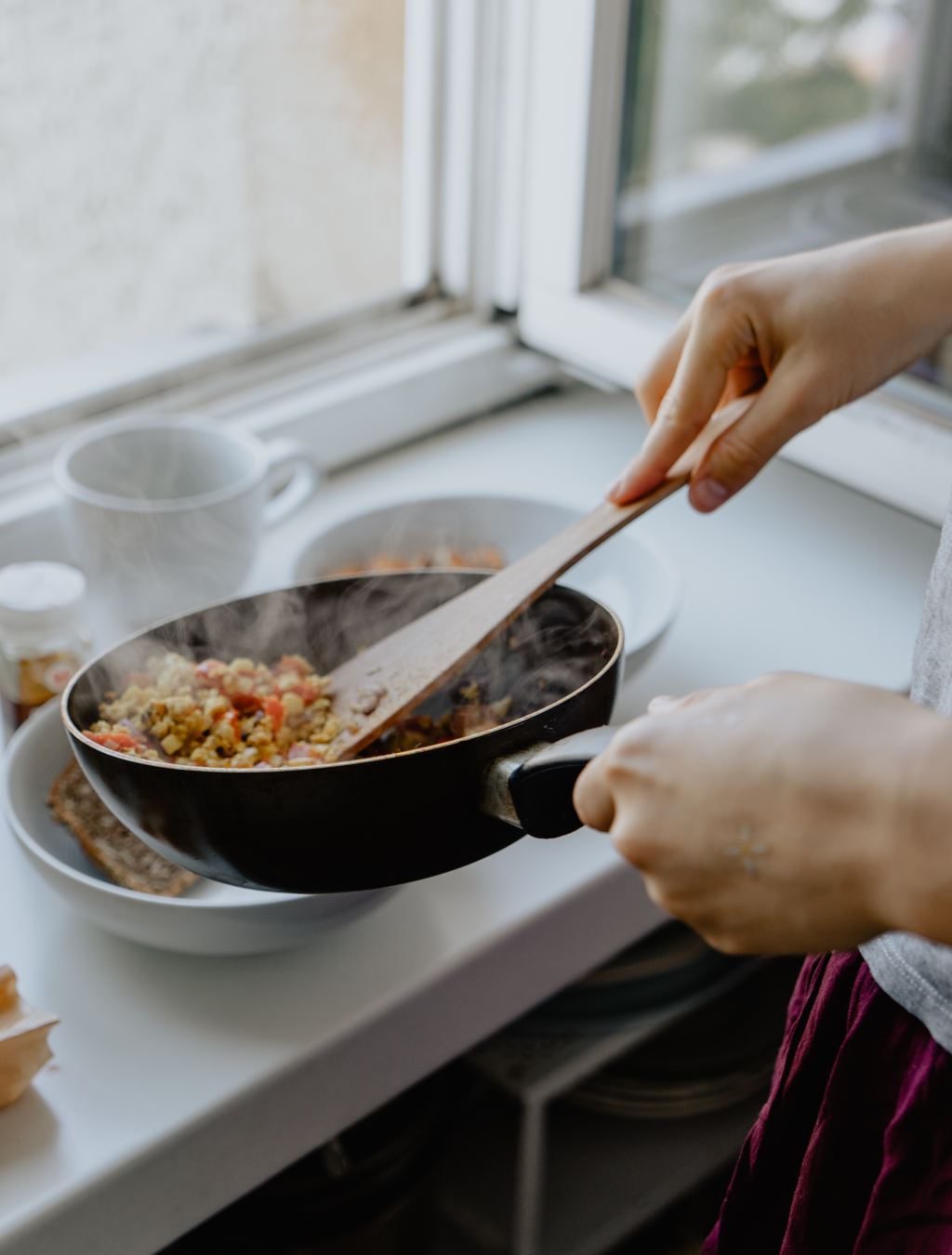
Every college student knows that meal plans are expensive, so many might think that cutting back on meal plan spending and cooking in the dorm is the best option. Although that may be true for some, there are positives and negatives.
One of the biggest obstacles students can face when cooking in their residence hall is finding affordable, healthy meals to make. Fast food and frozen food, although cheap, is unhealthy. There are many negative effects that come along with such a diet; students who eat this may find it harder to focus or even get up in the morning.
However, healthy and fresh food can be more expensive, which can deter students from making the financial decision to drop a school meal plan and cook for themselves. There are ways to budget money and still eat healthy; it just takes a bit more work.

Another obstacle college students might face while cooking in their residence hall is the limited number of kitchens available for use. With the number of students living in a dorm hall, finding an unoccupied kitchen space throughout the day can prove difficult, especially during regular meal hours. There is also the fact that, in order to cook, students will need certain cookware, such as pots, pans, plates and utensils. Most colleges do not provide this food preparation equipment. For those struggling with space moving into college and their dorm room, all these extra cooking items may not be in the cards for them.
One more struggle for college students planning on cooking for themselves is simply finding the time in the day to make food. Eating at campus dining halls is designed to be easy and convenient, with meal options expediently available in walking distance. Cooking in the dorm halls, however, takes significantly more time. This involves going to the grocery store at least once a week for fresh food, preparing the food to eat, cooking it and washing the dishes when the meal is done. All of this extra time added into the already busy schedule of a college student may be too much for some students.
Makaila Maier is a college student who lives in a dorm. She is an education major with a concentration in special education, as well as an employee for campus admissions and active member in several clubs and organizations. All this makes it difficult for her to find time to make meals.
“The benefits I have of eating on campus is that it saves me time,” Maier said. “Honestly I feel like my schedule is jam-packed and I really don’t have time to make nutritious meals for myself, whereas on campus, at least I make sure I’m getting vegetables, protein and carbs.”
All this considered though, cooking for yourself in the residence halls is not a bad idea.
Taking meals into your own hands allows you to eat fresher and healthier foods. Most dining halls do not make food fresh for each order. It is likely a buffet style dining hall that leaves food sitting under heat lamps for who knows how long, or it is prepared food that is put together and heated upon ordering. Either way, these meals can not compare to freshly made, home cooked meals.

Another advantage to cooking in the dorms is the flexibility it allows with what food you eat. When eating at the dining halls, students’ only options are what the dining hall is offering that day, or the same meal they get every week. It can often leave students wanting more freedom and choice with their meal options. When students cook for themselves, they are able to choose any meal they want, as long as they can cook it.
Lastly, dorm meal prep gives students real-life experience. They are not reliant on other people to make every meal for them, which, for the most part, does not happen once students graduate college. Not only does this allow students to learn the basics of cooking, but it can also give them experience with planning meals and the financial side of food. This would also help young adults learn what their bodies need in terms of nutrition and how to cook healthy meals.
There are plenty of pros and cons that come with either eating from a meal plan and or cooking for yourself. In the end, it is really up to the student and what fits best with their schedule and their ability to cook healthy meals regularly.
 all Platts now
Leave a comment