
By: Hayden Sadler
Beautiful environments, deep and engaging stories and dense, stat-based combat that demands players to understand what they are playing. Baldur’s Gate 3 is a recent example of this style of game, referred to as an RPG by most gamers, but even more narrowly defined within the umbrella genre as a CRPG – or a Classic RPG.
CRPGs are defined not only by the traits listed above but also by the fact that they are most similar to the style of RPG seen famously in the late 90’s in titles such as the original Infinity Engine games, such as the original Baldur’s Gate games and later Icewind Dale. For the last 20years, CRPGs were far and few between until the surge in popularity with Baldur’s Gate 3 developer’s previous title, critically acclaimed Divinity: Original Sin 2.

That can be a lot to digest, but the resurrection of the CRPG from a dying genre to a game of the year winning formula has been long in the making. But what happened to the CRPG? Why did games of this style seemingly disappear, or in the very least become so niche?
One could argue the increasingly profitable and mainstream console market as RPGs moved over to Xbox and Playstation with titles like Elder Scrolls IV: Oblivion and Mass Effect was the root cause. Developers were naturally choosing more simple, flashy gameplay loops in their RPGs. Focusing on stories, rather than the classic, tabletop style roleplaying experience.
If more gamers were to desire RPGs with astronomically less reading and number-crunching than classics like Baldur’s Gate, Fallout and Planescape: Torment, then the developers surely would have followed the market away from such things.
When original Baldur’s Gate developer released their own CRPG successor to Baldur’s Gate, Dragon Age Origins, fans of the genre had hope. However subsequent entries into the Dragon Age series wandered into more modern RPG territory with a focus on shiny new gameplay. While all Dragon Age games are critically acclaimed, there was no denying the change in RPG style that occurred as the series grew in popularity.
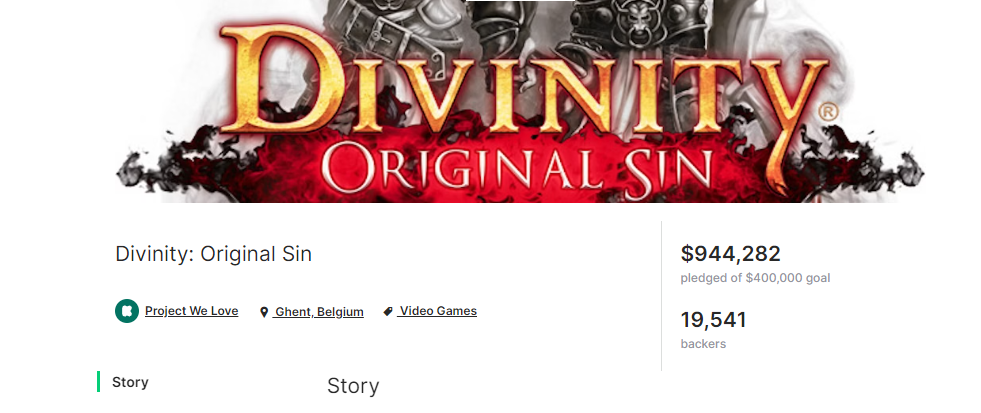
Without the success of Divinity: Original Sin 2 in 2017, it could be argued that Baldur’s Gate 3 would never have existed. Divinity Original Sin 2 was released following its successful funding onKickstarter. Prior to that, the first Divinity: Original Sin also had to receive its funding through the same platform around 2014.
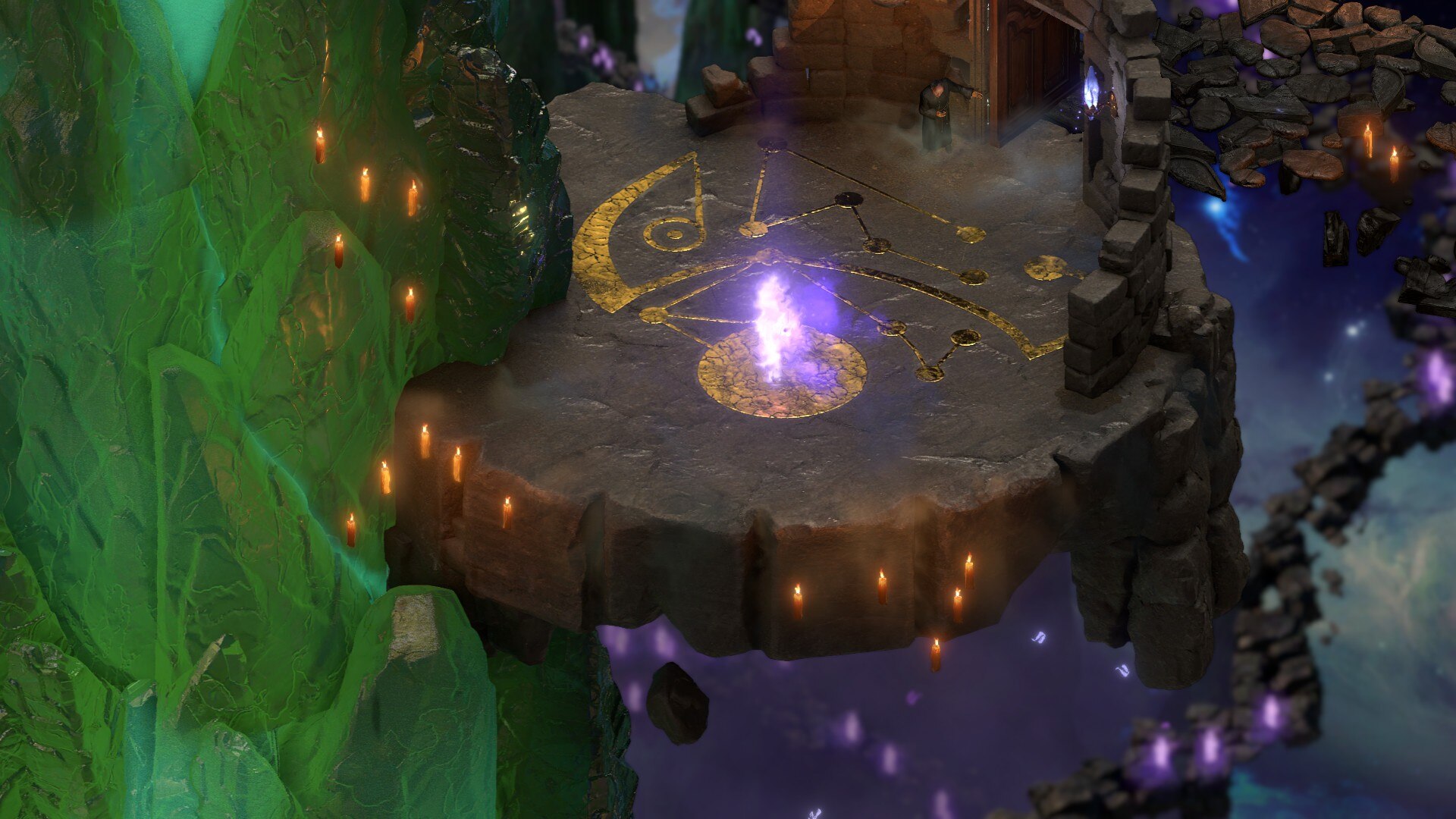
Simultaneously, Fallout New Vegas developer Obsidian Entertainment was working on Pillars of Eternity; a game even more similar to the original Baldur’s Gate games than Baldur’s Gate 3. That game and its sequel, Pillars of Eternity II: Deadfire, acted as spiritual successors to the acclaimed CRPGs of the old days.
The sequel would also require crowdfunding. In fact CRPGs as a whole required fan-funding nearly every time a developer wanted to create a deep role-playing experience. Titles such as Divinity Original Sin, Pillars of Eternity, and Pathfinder: Kingmaker are only a small portion of the CRPG revival courtesy of Kickstarter campaigns.
The current resurgence is far from the first time the CRPG genre has bounced back into the mainstream.
Redditor u/pedagogicaltaffer mentioned that the kickstarter era of Pillars of Eternity, Divinity: Original Sin and the Pathfinder games wasn’t even the first revival of the genre. As the genre has been around since the days of early dungeon crawlers, it has seen many revivals. User u/supraliminal13 and others mention that the Infinity Engine games — Fallout 1 and Baldur’s Gate 1— were revivals of a genre in and of themselves. CRPGs date back to the 1970s with text based adventures as an alternative to tabletop role playing games. In the 1980s Ultima would prove another popular CRPG and one that many to this day are influenced by. With the increasing popularity of consoles and 3D games, CRPGs would slow down until Fallout 1 and Baldur’s Gate offered a glimpse into the possibilities of the late 1990’s PC gaming scene.
The RPGs of the ‘90s are often misinterpreted as the origin point due to the innovation of Real time with pause combat. Rather than waiting turns, users would pause to issue commands to their characters and repeat the process as opposed to the slower, more modern combat system seen in Dungeons and Dragons 5th edition as well as Larian’s title.
Time will tell whether the success of Larian’s Baldur’s Gate 3 will sow the seeds of more CRPGs to come or prove itself a one-hit wonder for the genre’s popularity. One thing remains certain, the title and its developers’ desire to steer away from extra paid content reflect a vast contrast to many malicious industry practices that prey on customer’s money through microtransactions, DLC, and other in-game items that cost real world currency. As Game of The Year for 2023, perhaps other developers will see and be inspired to follow suit in allowing developers to tell their stories through art — fun art.
 all Platts now
Leave a comment