
By Rosemarie Jacob
Gen Z has an aging issue. Or rather, it has an anti-aging issue, depending on the day.
Criticized by the older generations for everything from being too lazy to too woke, disapproval for young people is nothing new. Every generation has been subjected to chastisement from their elders about how their “new age ways” were ruining society at large.
However, there is one valid criticism to be gleaned from the mountain of comments: Generation Z is absolutely obsessed with looking young.
This youth-obsessed culture can be seen from a quick glance at social media. Hundreds of thousands of videos on TikTok are about how to prevent wrinkles, fine lines, crow’s feet or anything else deemed unacceptable for those chasing the fountain of youth.
Some might say wanting to look young is nothing new, and previous generations have likewise been interested in the topic. However, the lengths to which Gen Z, referring to the group of people born roughly between 1997 to 2012, will go to preserve their youth now appear more extreme. Every day seems to bring a new body part to be insecure about, and the level of nitpicking over one’s appearance is concerning.
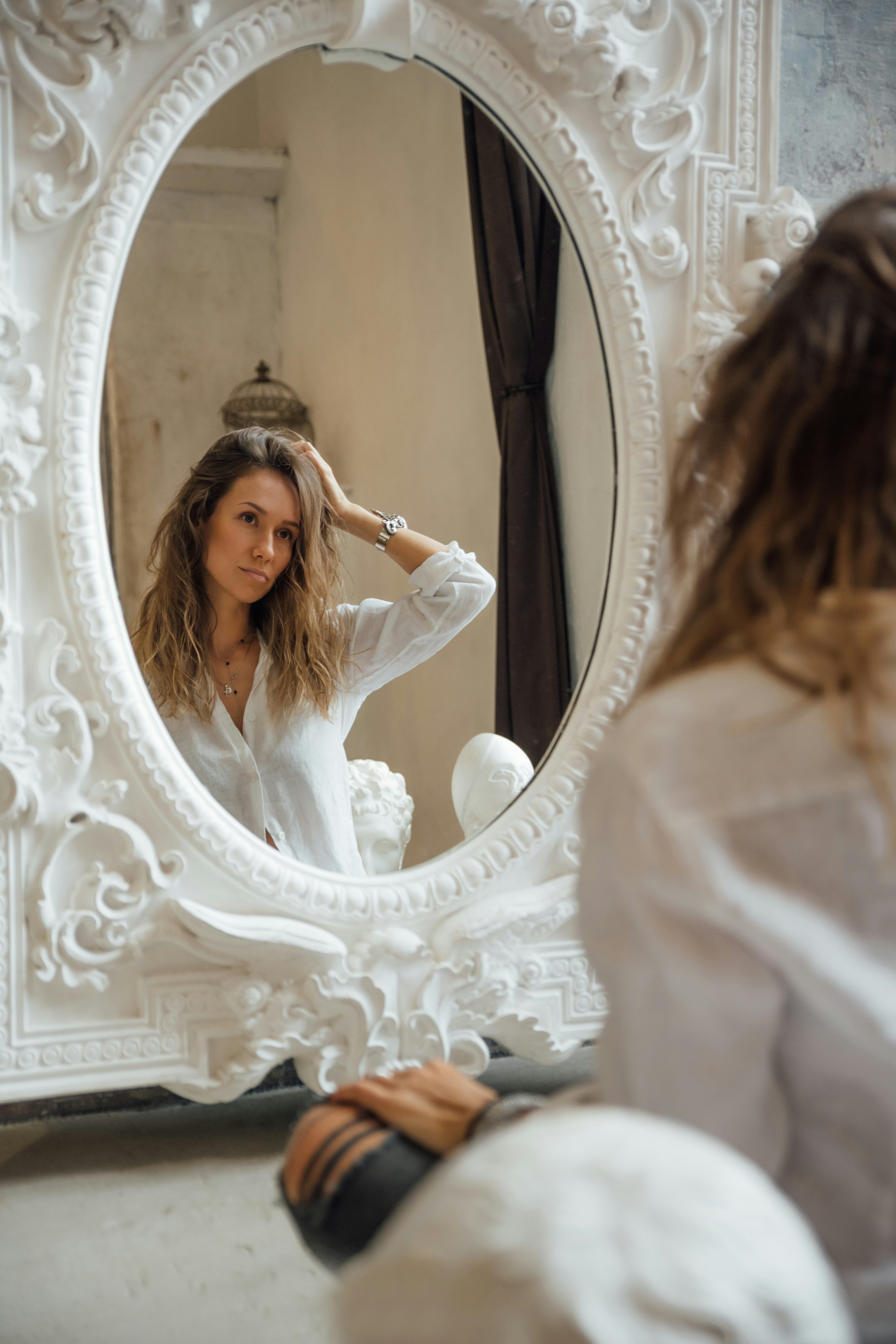
One of the many examples is a video from creator Michaela Scott on TikTok showing how she uses an “anti-aging straw,” one shaped in a way that will supposedly prevent mouth wrinkles. It has amassed over 300,000 likes and counting, and there is no shortage of videos like it.
The science behind the process of aging is usually associated with telomere degradation, where the protective caps at the ends of DNA strands get shorter and shorter with each replication. At a certain point, most of the telomere will be gone and crucial DNA starts to get cut off in subsequent replications, possibly leading to serious disease.
However, Gen Z appears to be more preoccupied with sagging skin rather than Alzheimer’s or cancers that are also potential companions to getting older. The need to start aging prevention seems to have taken over their lives, trickling down into the minds of the even younger Generation Alpha, kids born in the early 2010s.
This phenomena where the idea of developing some wrinkles sends youngsters into panic mode is remarkable to watch unfold, and often manifests in overconsumption of anti-aging products. The way people hoarded toilet paper during the beginning of the COVID-19 pandemic is eerily similar to how young people will fill their cabinets to the brim with scores of skincare creams and devices in their valiant efforts to combat premature aging.
Shannon Joseph, a licensed esthetician based in New York and owner of Skin by Shan Esthetics, gets nervous seeing young kids flocking to the skincare aisles at Sephora and Ulta.
“There are pretty strong actives being sold over-the-counter, and it’s not like there’s an age restriction to buy them.”
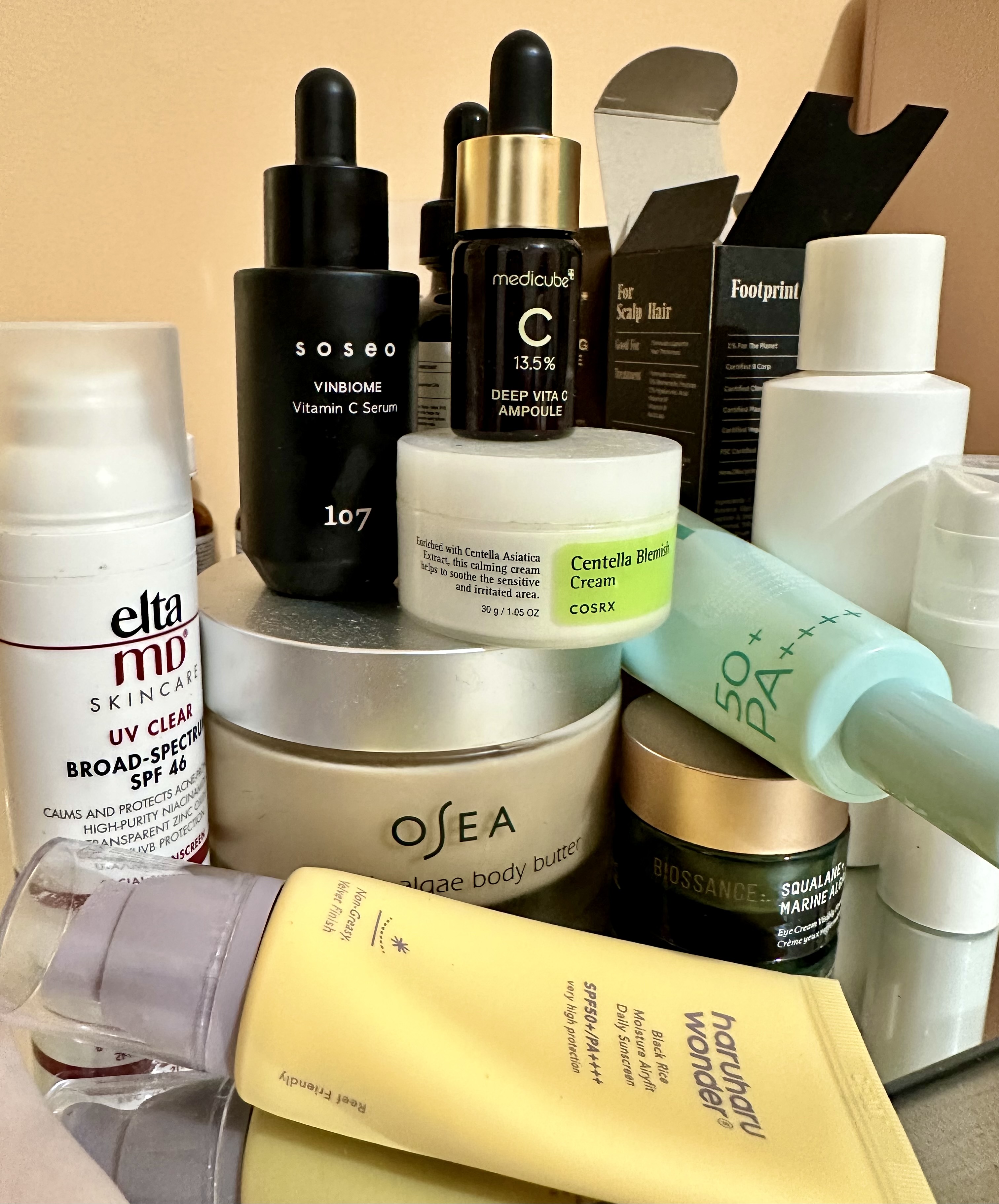
She worries that excited kids are using products with these high percentage active compounds before having the knowledge or maturity to be responsible for the risks and proper aftercare.
“They dive in immediately without even reading directions. They think more is more, so they’ll leave (the product) on for longer than it says or use it more often than they should. Kids don’t need to be using retinol when they’re not even using sunscreen,” Joseph said.
It’s true that ingredients like retinol and alpha hydroxy acids can be damaging if used improperly, especially for younger consumers whose delicate skin might not be able to handle such strong products. Most of these active ingredients stimulate cell turnover to reveal the newer skin underneath, and they are meant to be adopted into routines slowly over time. Since natural cycles of cell turnover slow down with age, the vast majority of products are made with maturer skin in mind.
The rise of youth interest in skincare has spawned into further issues. Generation Alpha children have been seen terrorizing Sephoras, with several Sephora employees taking to TikTok to showcase the destruction caused by youngsters coming into the store, especially with the brand Drunk Elephant.
Known for its colorful packaging and exorbitant prices, Drunk Elephant has become a staple in many tween routines. Parents have discussed how the brand shows up on most Christmas lists and birthday lists, alongside other skincare and beauty items. There is definitely an overall importance placed on appearance with a more sinister underlying message: don’t age.
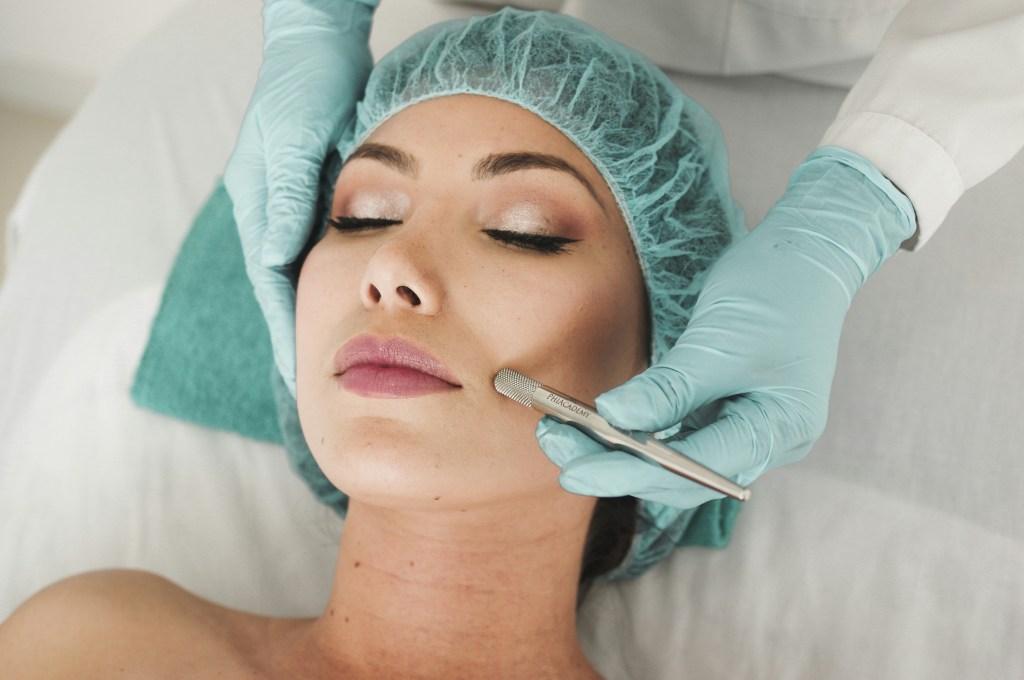
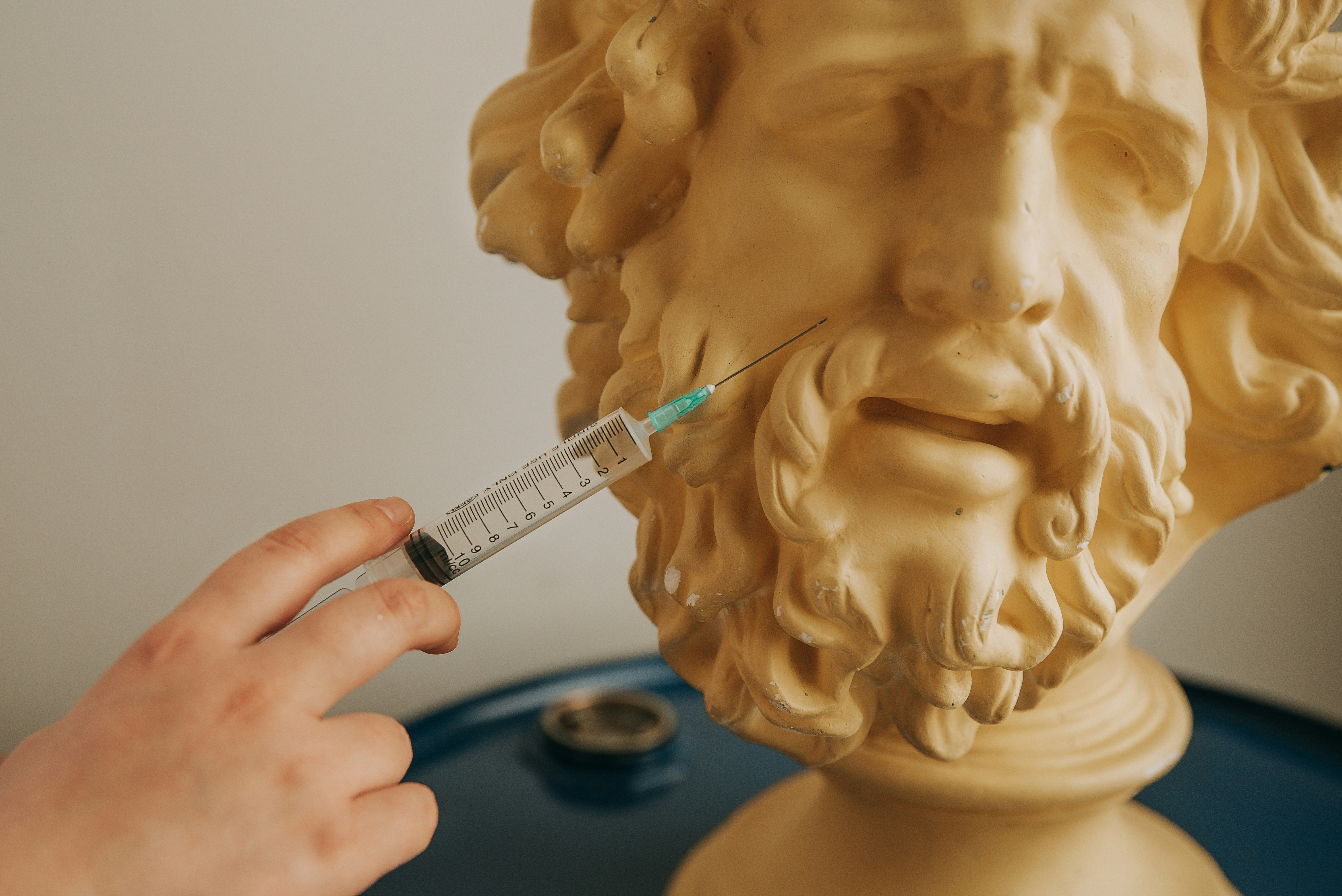
While most people have stuck to extensive skincare routines as their main source of prevention, there is a surprising number who opt for anti-aging solutions via needle. The American Society of Plastic Surgeons has recorded 126,907 Botox-like procedures in 2022 for people in the 20-29 age bracket, a 71% increase from their 2019 statistics.
Other cosmetically non-invasive procedures like fillers have also seen rapid growth in demand, and the current trends show no sign of these numbers slowing down.
The issue is that many people do not reach their “final form” until at least their mid-twenties, so jumping the gun on facial procedures can backfire in more ways than one.
Dr. Jenny Alexander is a board certified pediatrician and owner of Alexander Pediatrics, a medical office located in Montgomery, Alabama. As a second-generation pediatrician, Alexander has seen hundreds of children, many from when they are just a few days old into young adulthood.
“These kids look different every time I see them. Even the ones I see after 18 are still changing. Lots of skin issues and acne are common because of the hormonal changes they go through during this time,” Alexander said.
Acne often results in acne scarring, and continuous pimples and scars can weaken the dermis layer and leave the skin predisposed to wrinkles.
Naturally, the pendulum on physical appearance will always swing longer and harder in the woman’s direction. Young girls seem more likely than young boys to experience body image issues, according to Alexander.
“Most of the questions I get from my boy patients are about when they can start working out. But girls, they are worried about their weight, their shape, if their breasts are too big or too small,” Alexander said.
The latter can potentially present an actual problem. “The only surgery I can see being necessary at this age is a breast reduction,” Alexander said. “I’ve had girls come in that are more top heavy, and the extra weight on the chest is too much for their back to handle, so it can be very painful.”
With other procedures, however, Alexander advises extreme caution.
“I would never want a kid altering their face when their face isn’t even done changing on its own. The brain isn’t fully developed either, so there’s a lot of emotion going into these choices more than careful thought.”
It’s true that kids’ brains are in a frequent state of development, and the prefrontal cortex that is most responsible for rational thought is remodeled last, not finishing its maturation until around 25 years of age. Most adolescents are suspected to rely more on their amygdalas, the part of the brain associated with emotions and impulsiveness.
Alexander is not alone in this line of thinking. Joseph likewise feels weary of the rise in procedures among younger groups.
“There is no need for purely aesthetic procedures to be done for anyone in their teens. They might be chasing the look of whatever influencer of the week has, and that’s going to change all the time,” Joseph said.
Women’s body types and features are often seen as trends, and with the ever-shortening lifespan of trend cycles, where someone chooses to inject filler or Botox today, may not be what society deems beautiful in five months.
Reverting back to one’s original face is not easy either. “Despite what they say, all filler is not fully dissolvable. They can try to inject you with the enzyme to break it down, but there’s been MRI scans showing how (filler) still lingers years later,” Joseph said.
This kind of commodification of the female form is nothing new. In the entertainment world, the 1990s and 2000s were rife with a women-hating culture. Many magazines often had entire front pages dedicated to calling out female celebrities’ bodies in grotesque ways, comparing them to whales, speculating on if they were eating their feelings, and overall creating a culture that directs its vitriol towards women who dare to gain a few pounds.
Even if the climate has improved, there is a lingering rulebook on who gets to be beautiful, and youthfulness comes with the package.
There is also an odd dichotomy between the fact that many young people fear aging so much while simultaneously getting procedures that are often meant for those significantly older.
Celebrities like Bella Hadid and Kylie Jenner have been speculated to have already gotten facelifts, along with a plethora of other procedures, and they are only 27 and 26 years old, respectively. With most of Gen Z being unable to afford the steep price tag of a facelift, which can go for more than $8,000, there are many who opt for more affordable methods.
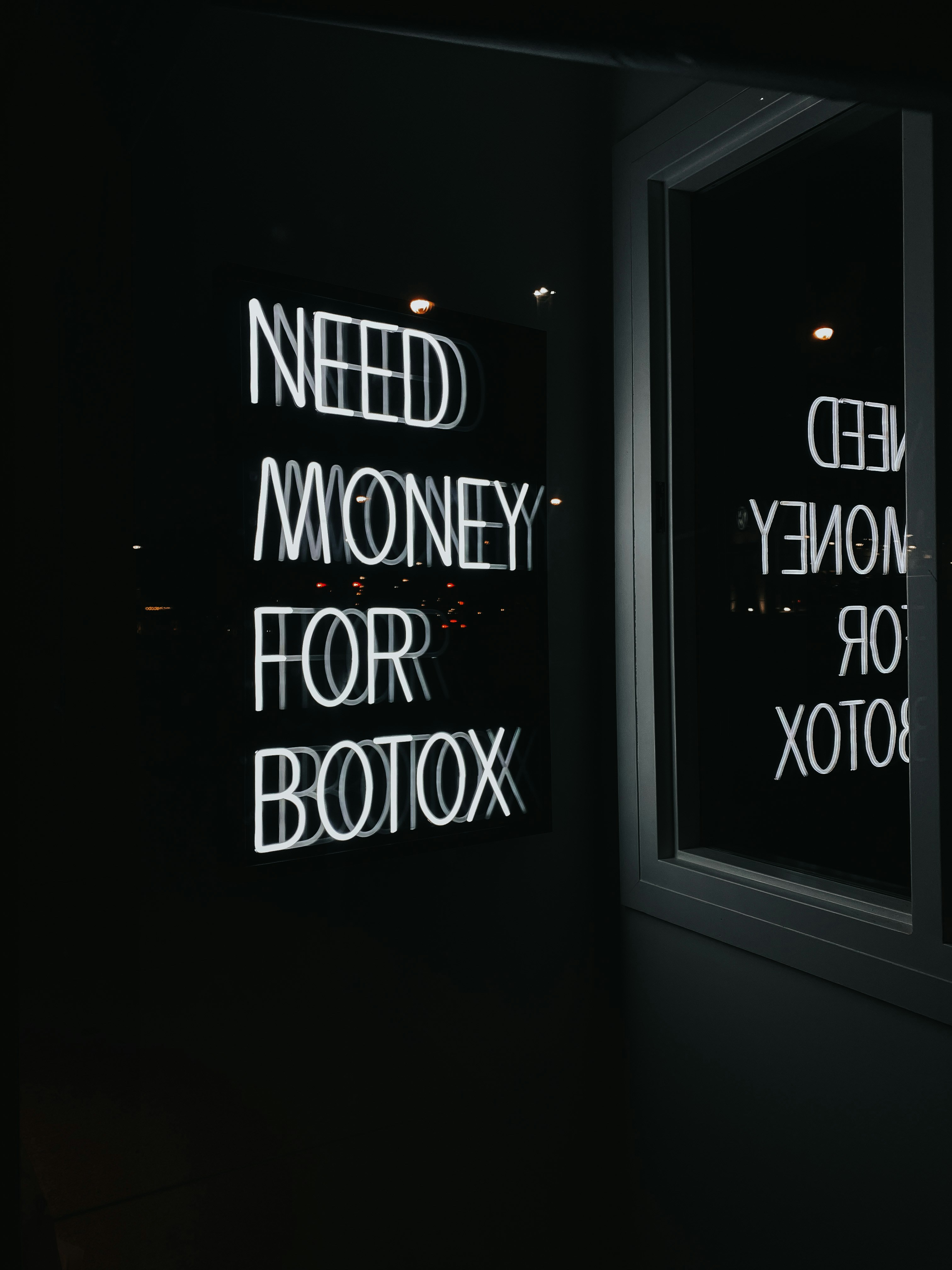
One of these more popular options is the so-called “preventative Botox,” sometimes also called “Baby Botox.” The idea is to inject smaller amounts of the neuromodulator before wrinkles even start to form. This will restrict facial movement and ideally prevent wrinkles from happening at all, therefore fulfilling the “preventative” portion of the name.
Joseph does not think it is a fair term.
“There hasn’t been a lot of research backing up the claims about it,” Joseph said. “I wonder if it’s just a marketing scheme to get younger people into clinics and start them on treatments earlier than normal.”
Botox is just the brand name, but the actual compound of Botulinum toxin A is also available through the brands Dysport, Xeomin and more, all of which have seen an uptick in business from younger crowds.
Despite the widespread interest in anti-aging procedures, there is a small but growing opposition movement made up of individuals who are getting tired of being told what part of their bodies allegedly need to be fixed. Even those who participated and benefited from getting work done have spoken out against it. Bella Hadid herself came out in opposition to some of her plastic surgery.

Hadid is half-Palestinian and originally had a more curved nose, the type often attributed to people from the Middle East. In her 2022 interview with Vogue, Hadid admits to regretting getting a nose job when she was 14 years old. She wished she had kept the nose of her ancestors, feeling she would have grown into it.
This kind of openness about procedure regret is rare, but growing, and hopefully can drown out all the noise about how people need to grasp onto youth for as long as possible.
Many body-shaming taboos were shattered by younger generations. Hopefully it won’t be too long before similar strides are made in the realm of aging, and a few lines on the skin can be welcomed as signs of a life well-lived.
 all Platts now
Leave a comment