
The Perfect Indian Breakfast
The Perfect Indian Breakfast
Rosemarie Jacob
As we delve into the fall, some people may find it difficult to prepare nutritious meals in the chaos of exams and holidays. Combined with the fast-approaching cold weather, it’s a good idea to have a solid repertoire of meal ideas on hand to keep you fed and your immune system up to stave off any nasty winter bugs.
A good day often starts with a good breakfast. Luckily, healthy meals don’t have to be boring, and there are plenty of options to choose from first thing in the morning besides a bowl of oatmeal. One does not even have to stay on their corner of the globe, as many different cultures approach food a little differently, and delving into some of these varied cuisines can give you great inspiration in the kitchen. Here are the components to building a well-rounded Indian breakfast.
PART 1: Dosa
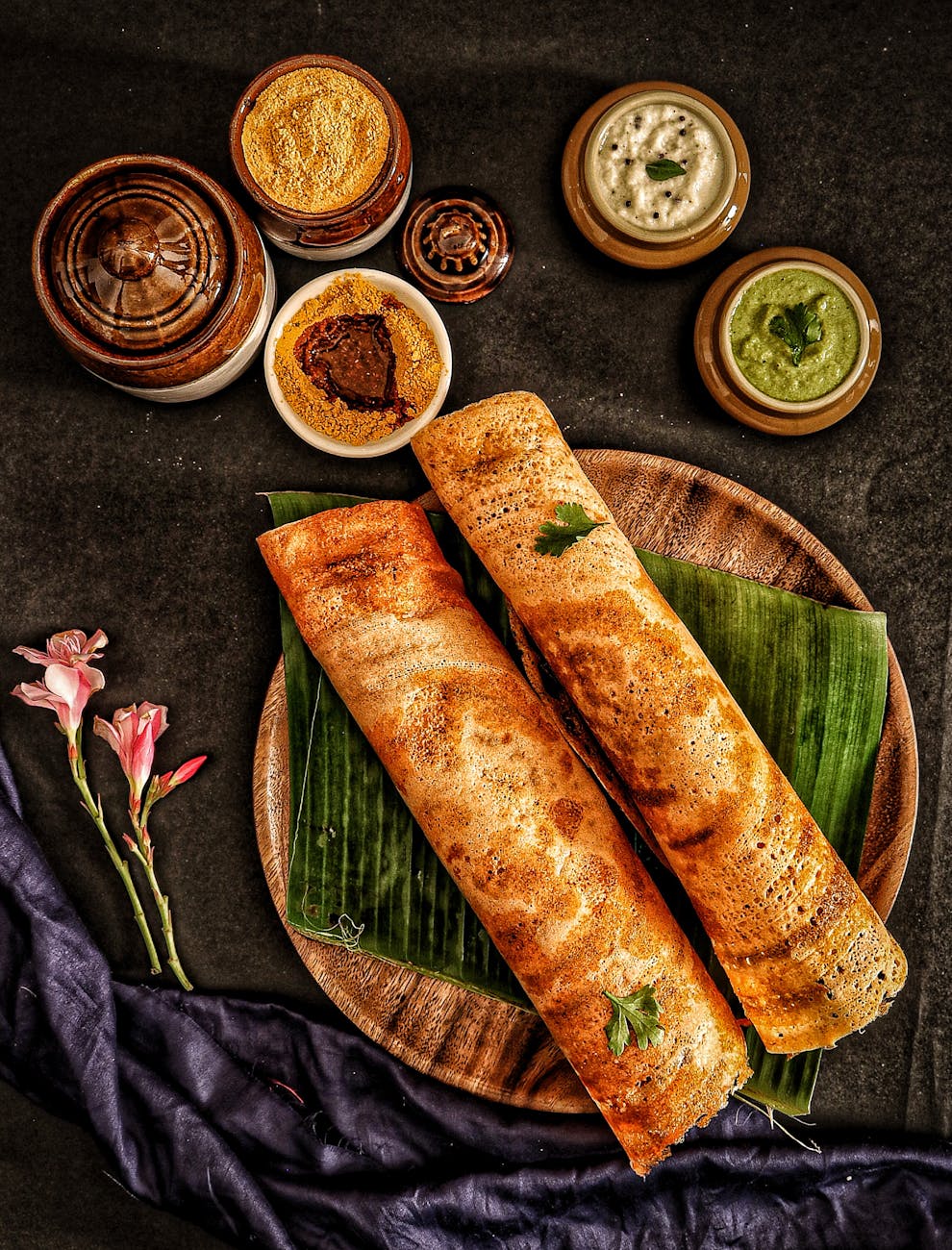
Dosa is a beloved Indian staple, and an excellent vessel for fillings. Dosa is essentially a crispy pancake made by frying up a batter made of soaked rice and lentils. Although the preparation may take a little effort, the result is a batter that can keep in the fridge all week and provide you with a five-minute meal every morning.
Ingredients:
- 2 cups uncooked rice
- 2 tablespoons cooked rice
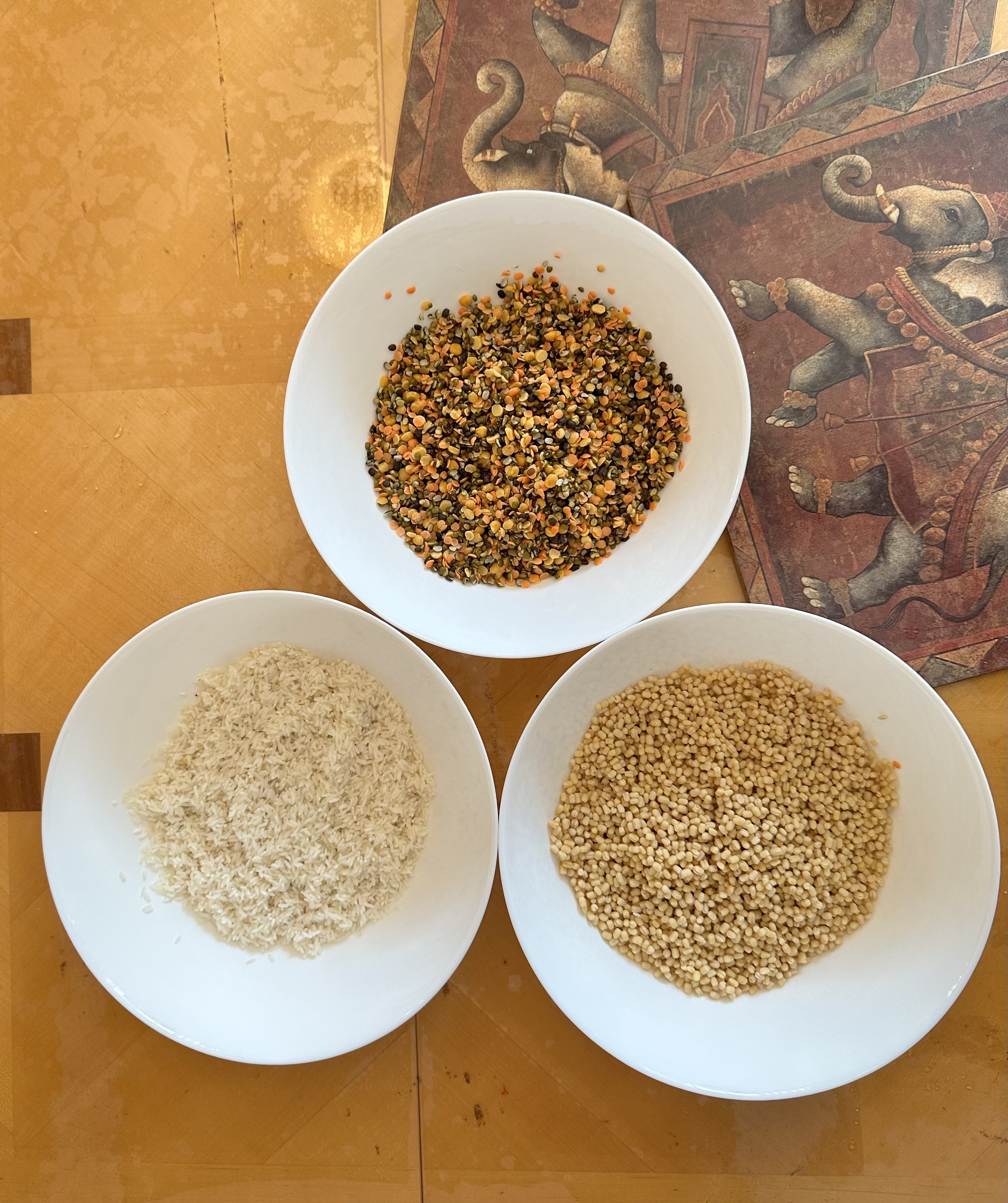
- 1 cup dal (This is lentils, which can be found in any Asian grocery store or even many local markets. Typically, urad dal is used, but feel free to use a combination of lentils (½ cup yellow dal, ½ cup urad dal, etc.))
- 1 teaspoon fenugreek seeds
- 1 teaspoon butter or ghee
Instructions:
Combine all the ingredients except the cooked rice into one vessel and wash them thoroughly. Next, cover the ingredients with cool water, making sure to leave extra water a few inches above the mix since the lentils will absorb the liquid and expand. Soak everything for a minimum of four hours and up to eight hours overnight on the counter.
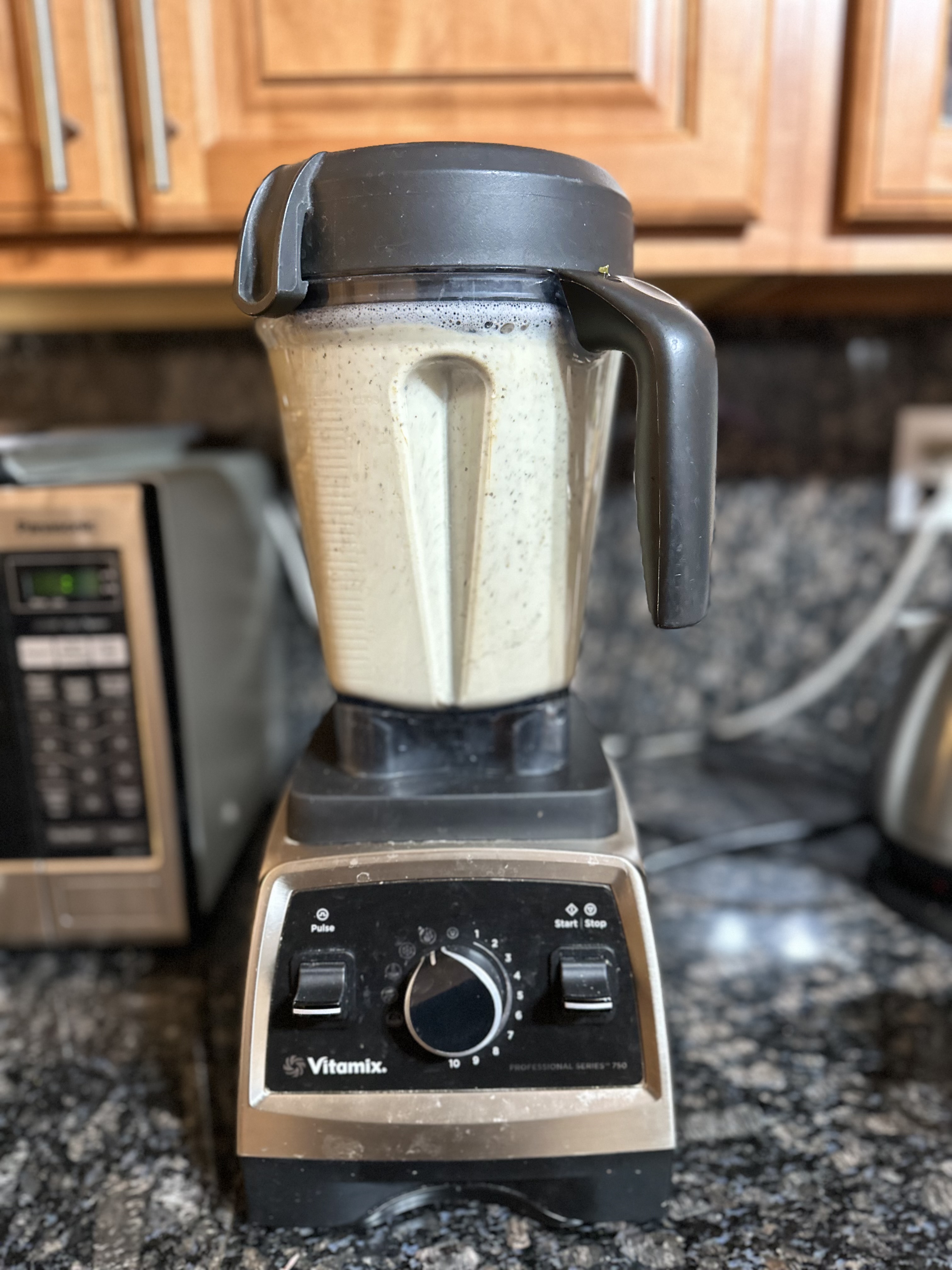
The next day, blend the mixture with the two tablespoons of cooked rice. It should be the consistency of loose pancake batter, so adjust accordingly. If the batter is too thick, add more water; if it is too loose, add additional cooked rice.
Now the batter should ferment. Cover and leave it on your countertop if it’s a warm day or in your oven with only the light for about six hours. The fermentation should be visible, with the batter almost doubling in volume by the end of it.

Once the batter is ready, a fresh dosa is just minutes away. The extra batter can keep in the fridge for a week, and every time you want dosa, simply take out the amount of batter and add a little salt to it before spreading it thinly to a hot pan greased with butter or ghee. Cook for a few minutes until crispy, then flip over and cook for an additional minute. Serve hot with more ghee or coconut chutney.
PART 2: Chai
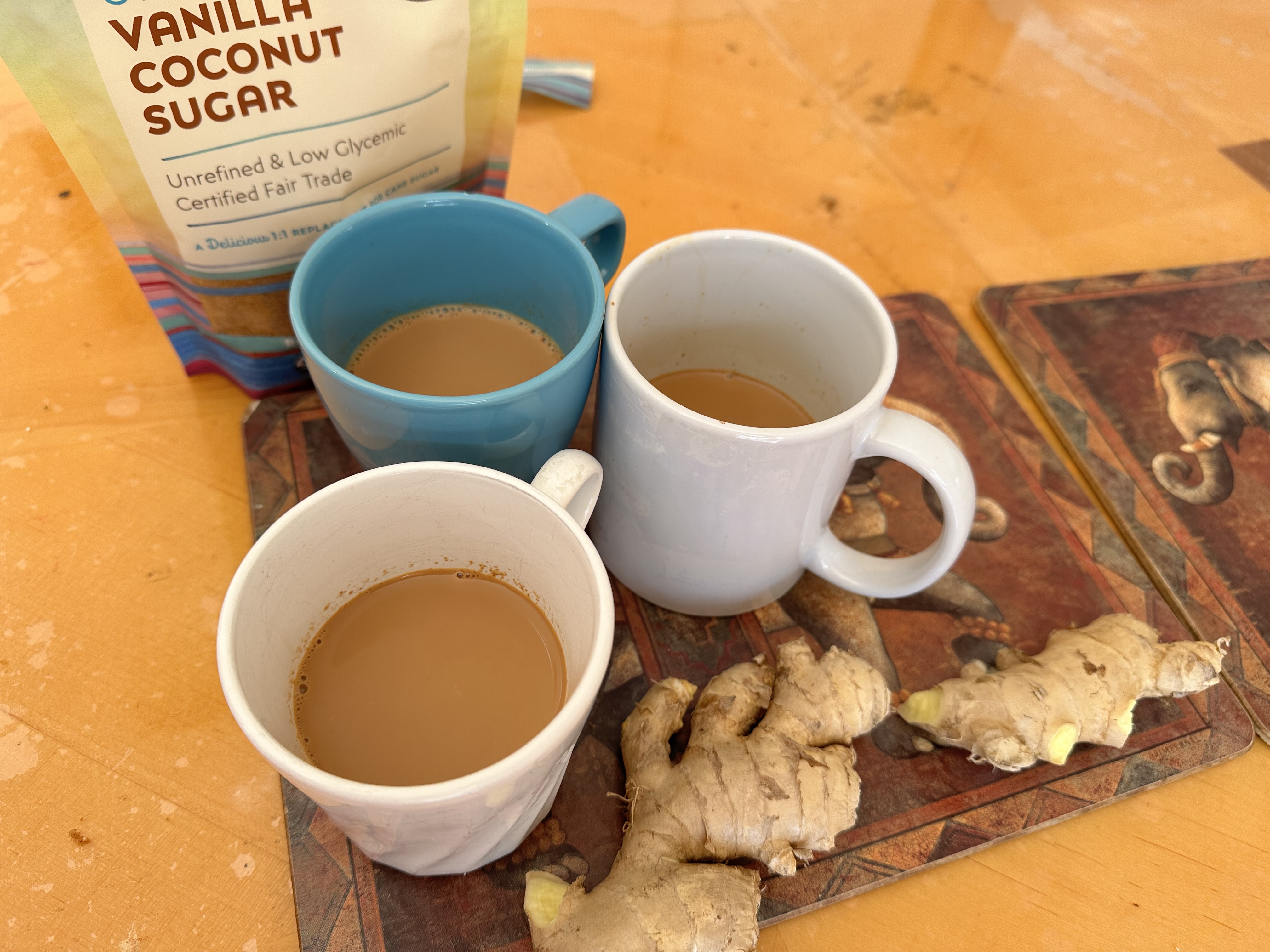
No Indian breakfast is complete without a hot cup of tea. Known as chai, the Indian version stands out from Western expectations of tea with the addition of milk and spices. Once again, it takes a few different ingredients to come together but is very simple to make.
Ingredients:
- 1 cup milk (a richer milk is preferred if plant-based)
- ½ cup water
- 1-3 teaspoons sugar (adjusted to taste)
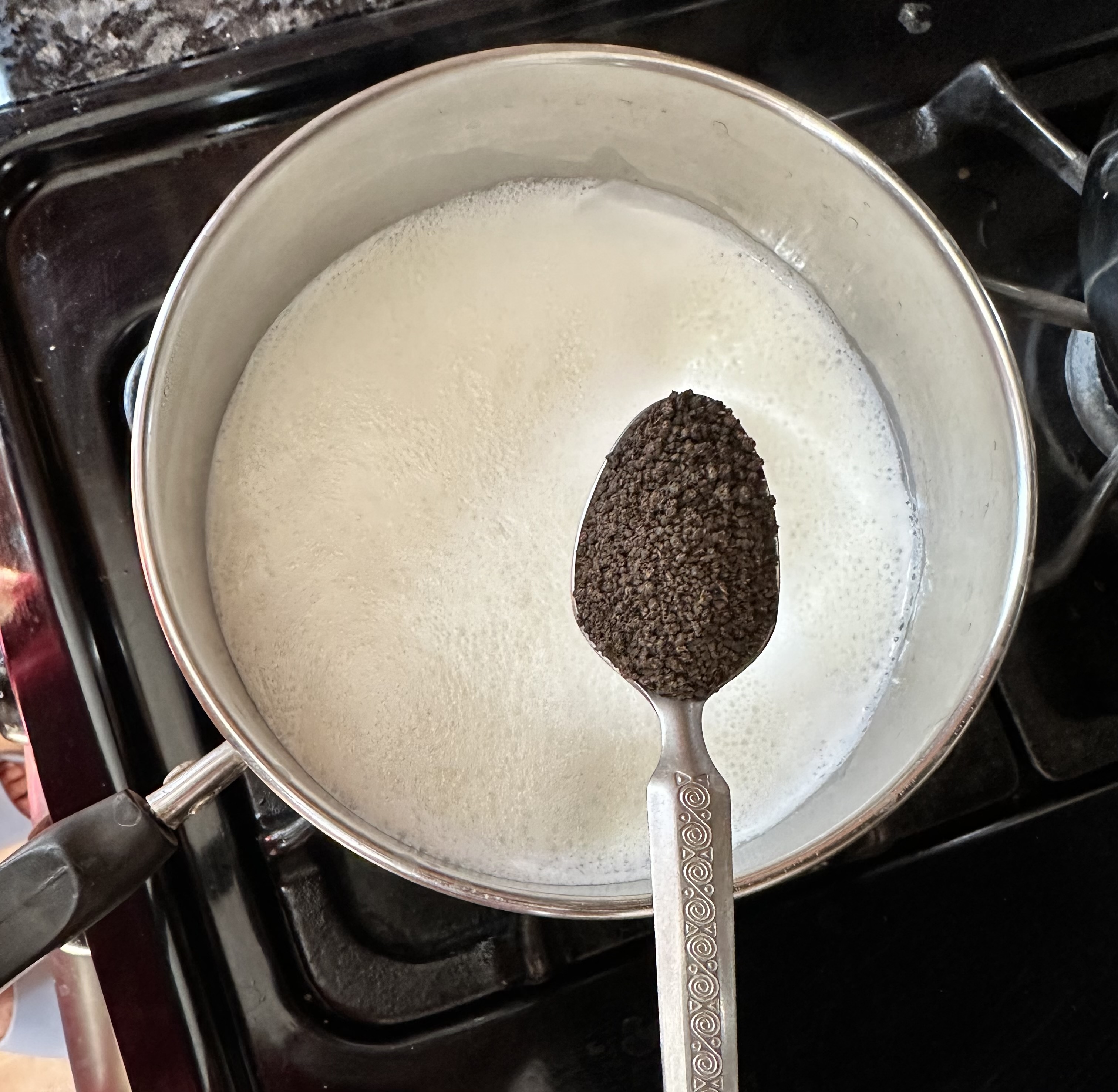
- 2 teaspoons black tea powder (the Red Label brand is excellent)
- 2 cardamom pods, crushed by side of knife
- 1 tablespoon ginger, roughly a small knob, smashed by side of knife

Instructions:
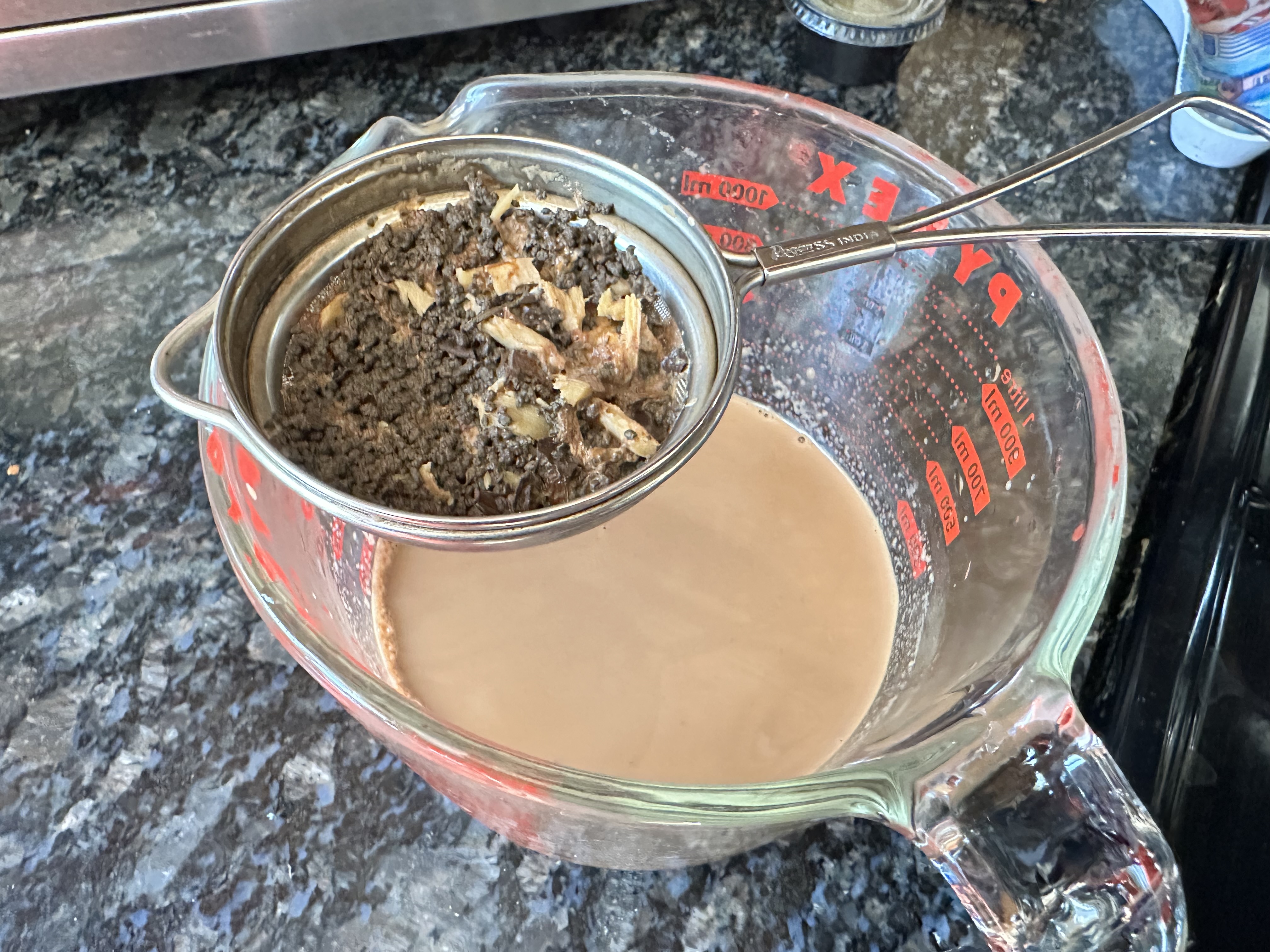
Combine all the ingredients in a saucepan on medium heat and bring to a boil. Once boiling, turn off the heat and strain. Enjoy hot.
PART 3: Fresh Fruit
A healthy breakfast should always include fresh fruit, even in the cold months. Tropical fruits like mango or jackfruit are lovely pairings for an Indian breakfast, but whatever is in season and local to your area works as well. Golden kiwi is my personal favorite, as I can purchase it easily at my local supermarket.

All these components work together to create a nutritious, satisfying meal. The fermented lentils and rice provide gut-healthy bacteria, as well as essential protein and carbohydrates. The tomato chutney contains healthy fats and the fruit vitamin c, both of which are essential for nutrient absorption, particularly iron. The warming spices in the chai are the perfect way to end the meal and get you charged for the day ahead with perhaps slightly less jittery than the usual coffee. Fall and winter months can often lead into less activity and less time for taking care of ourselves. It is important to keep our health at the forefront, even if it starts with just a simple breakfast.
 all Platts now
Leave a comment