
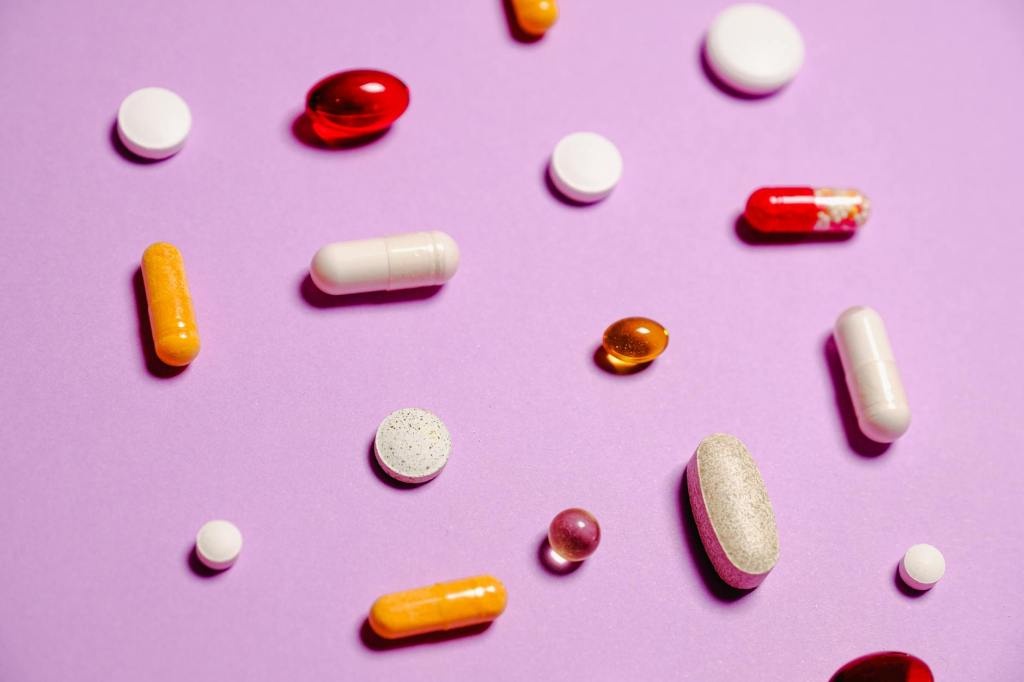
There are many misconceptions about addiction. If you ask someone who has not encountered addiction on a personal level, they may believe that a person who is addicted is immoral or lacks willpower. Some think a lifestyle of even the most severe addiction is a choice. This is not true. The truth about addiction is that it is a complex disease that involves various elements including biological, environmental and societal factors.
Dr. Mark S. Gold, who has been an addiction researcher for over 50 years, writes in Psychology Today that addiction is much more than just a bad choice, and people who are addicted can’t just decide to quit whenever they want. Even when an individual hits rock bottom, their disease may have progressed past the point of being cured with personal changes or medical intervention, he says. He also debunks myths such as the claim that alcohol is less dangerous than other drugs, that certain types of people get addicted or that addicts can quit anytime they want.
When someone is in recovery from addiction, there may be episodes of relapse. This does not mean treatment has failed. In fact, because addiction is a chronic condition, relapse is a common part of recovery. Relapse only means that treatment needs may need to be adjusted, not that recovery has failed.

Mental health diagnoses often coincide with substance use disorders, and these are not typically separate conditions. Anxiety disorder, PTSD, Panic disorder, depression, bipolar disorders, ADHD and personality disorders are among some of the most common at risk for substance use. Another risk factor is the age at which an individual is when they try their first substance, there is a greater likelihood of developing a substance use disorder.
The potential safety and medicinal uses for marijuana have been advertised at the forefront of legalization efforts. To the surprise of many, it is worth noting that marijuana can be both psychologically and physically addictive. While it is not likely to become physically addictive if you are an occasional marijuana user, those who use it daily over long periods of time can develop a physical dependence. Withdrawal from marijuana may not be as dangerous as withdrawal from other substances but can result in a lot of discomfort.
Dr. Elizabeth Hartney, who writes in A Verywell Mind, withdrawal from marijuana can include flu-like symptoms such as sweating, headaches and chills, as well as nausea, decreased appetite, stomach pain, irritability, cravings, anxiety and insomnia.
How do you know if your substance use is considered a substance use disorder? Here are some things to watch out for: If your substance use interferes with any aspect of daily living, such as failure to fulfill family or work role obligations, causes problems with your relationships, or results in legal issues or any dangerous behavior such as driving under the influence, it may be time to reconsider your relationship with substances.
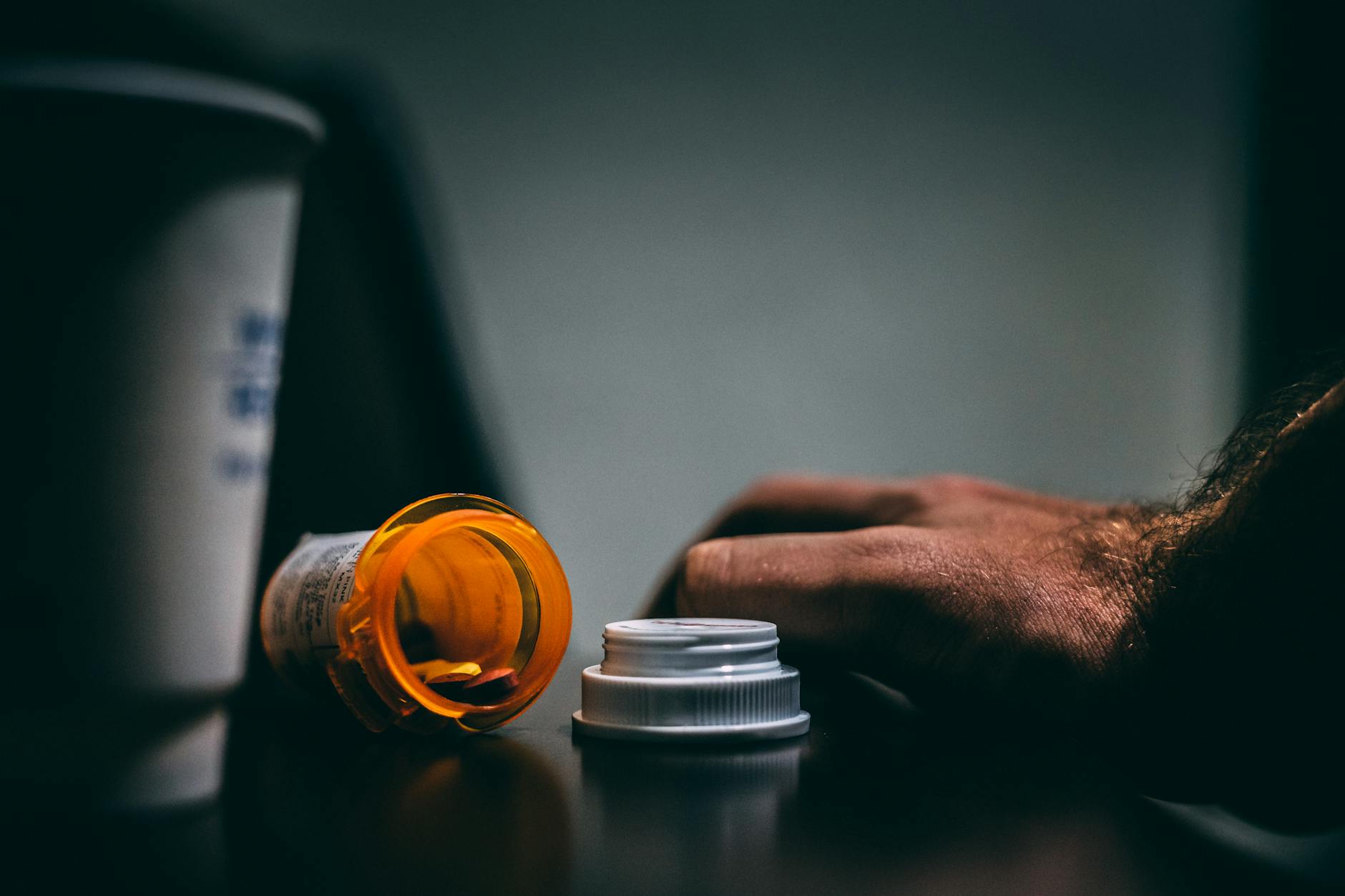
Some other things to keep in mind may be how much time you spend thinking about using or obtaining substances. Do you continue to use substances despite the substances causing interpersonal or social problems? Have you lost interest in things you used to enjoy in preference to using substances instead? Are you using substances in the morning or all throughout the day? All of these could be indicators of a substance use disorder.
Christine Ford-Huebsch is an Advanced Credentialed Alcoholism and Substance Abuse Counselor and has been working with clients in addiction for 9 years. She says that people who are in the early stages of recovery may recognize they have an issue with drugs and alcohol but may not understand what the underlying issue is. She mentions clients having an “Aha” moment when they finally realize what may have caused them to pick up substances in the first place. Ford-Huebsch’s advice to someone who thinks they might have a substance use disorder is to not give up on yourself and don’t listen to the stigmas.
“It’s not a straight line. You may trip and fall, but keep getting up because every time you do, you learn something new about yourself and what you need for your recovery,” says Christine.
It may be difficult to first recognize or admit that you could possibly have a substance use disorder, and even if you only suspect you might, it is best to be evaluated by a professional. The sooner you are able to access help, the sooner you will be on the road to recovery.
 all Platts now
Leave a comment