
Jessica Johnson
In an era where anyone can be considered a journalist, it’s extremely important for a fair, transparent and trustworthy government to lead the “democracy” of America. However, with the click of a camera and the public sourcing/collection of newsworthy information, it’s becoming easier for just anyone with the click of a button to simply share breaking beats to a platform — true or not.
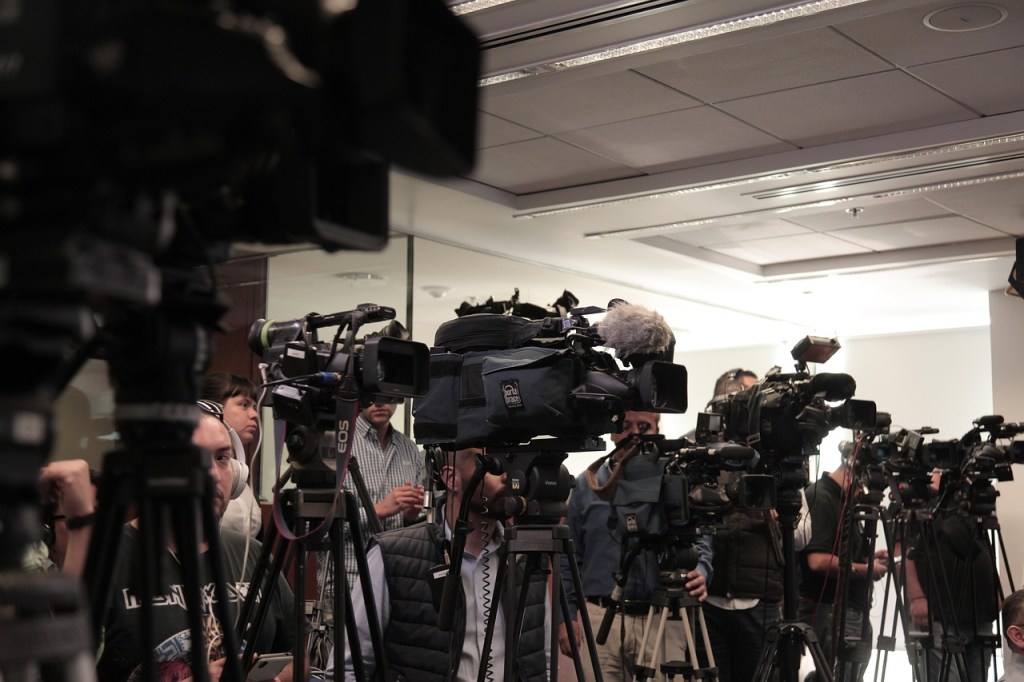
A journalist’s first duty to the public is to always report the truth: from all sides, transparent and unbiased. However, limiting the amount of reporting a journalist is allowed to do, is keeping the public from knowing important information that may affect their lives.
Under the Trump Administration, President Donald Trump is now trying to distort that truth by limiting reporters rights to free speech by utilizing political censorship.
Putting limitations on Pentagon reporters isn’t going to urge journalists to stop pushing for the truth in government panels; it’s only going to ignite the flame and belief that our government body has more to hide than we think.
Starting Oct. 5, the U.S. government proposed more “common sense” rules and restrictions upon Department of Defense reporters, according to the LA Times. The new restrictions come from those imposed by Defense Secretary Pete Hegseth saying, “the press is very dishonest.” The intended goal of this is to clearly control the funnel of information going out to the public about military operations and conflicts.
Hegseth is a former Fox News Channel host — which in itself should be enough to prove right wing bias in his actions — and has held only two formal press briefings. He has “banned reporters from accessing many parts of the sprawling Pentagon without an escort,” according to the LA Times.
The first-amendment-infringing new policy, backed by President Trump, states that anything reported on from the Pentagon must be reviewed by Hegseth before release to the public.
Any young journalist knows that if one is interviewing multiple sources or reporting on an event or place, we should not be showing the source of the article with the intention of making revisements — the piece would become biased, muted and untruthful. We cannot choose to omit certain information if it is on public record; that’s just the transparency citizens deserve.
The Department of Defense set a deadline of 4 pm for journalists, referring them to sign the document outlining new strict media regulations in the Pentagon, outlining the future of public political reporting. It begs the questions; what happens to those who refused to sign?
Their reporter desks had to be cleared out by the end of the work day — no exceptions.
And how would this limit their future access to viable information?
Well, reporters were also ordered to disperse from the building premises, and specifically told by the DOD that they would not be allowed back into the Pentagon. As one can infer, most journalists’ integrity to the truth trumped Trump in that moment.
After handing in their badges, 40 of the 50 journalists left with boxes of documents in hand.
And honestly, most young journalists now would do the same. Limiting free speech of news outlets is limiting the knowledge of political policy any regular citizen can obtain.
Journalists’ overall goal is getting as much information out to the public as possible, and within that, enacting some kind of buzz around government action and policy.
“Spoon feeding” journalists’ information for potential release defeats the purpose of investigative reporting and makes newly released articles lose any kind of credibility or substance.
Some of the biggest news outlets such as the Associated Press, New York Times and The Post are now being affected by such impositions. The new regulations are interrupting the extensive informational duty those reporters have to those who do not have headfirst access to militia panels— aka, the citizens of America.
Going forward with free speech restrictions in America is going to be rough, considering this is not the first censorship regulation Trump’s Administration tried to instate. Imposing these rules puts restrictions on reporting internal issues such as assault scandals, national security and defense updates, and varied military operations.
It’s not that the Administration wants to control the release of truth out of fear; it’s that they know the public won’t be able to handle the level of possible social, political and economic corruption that may have been kept from them for so long. Since 2016, there has been a clear distrust of the media being able to tell an “accurate” narrative in the way that Trump pre-approves of.
If journalists themselves are openly calling these restrictions a direct opposition to the first amendment, we are entering a time of censorship and dictatorship. An era where we are letting the body that governs us take away our access to the issues that affect citizens on a macro level.
And Donald Trump’s goal is to run a third term in 2028.
So the question I pose is this:
If he’s already gaining control of governmental action and corruption being exposed in the media, hasn’t he already won?
 all Platts now
Leave a comment