

Warning: This article contains spoilers for “Invincible,” “The Boys,” and “Peacemaker.” Read at your own risk.
It’s a bird! It’s a plane! It’s… Superman being beaten senseless?
There has been a shift in superhero media. Instead of following the tried-and-true superhero-saves-lives formula, we now have quote-unquote “heroes” who cause death and destruction in wildly gory, bloody, violent displays of power.
More graphic than ever, these new superheros seem to say something about where we are as a culture and a country right now, with popular figures and political leaders who flout both the law and basic human decencies.
“Invincible”
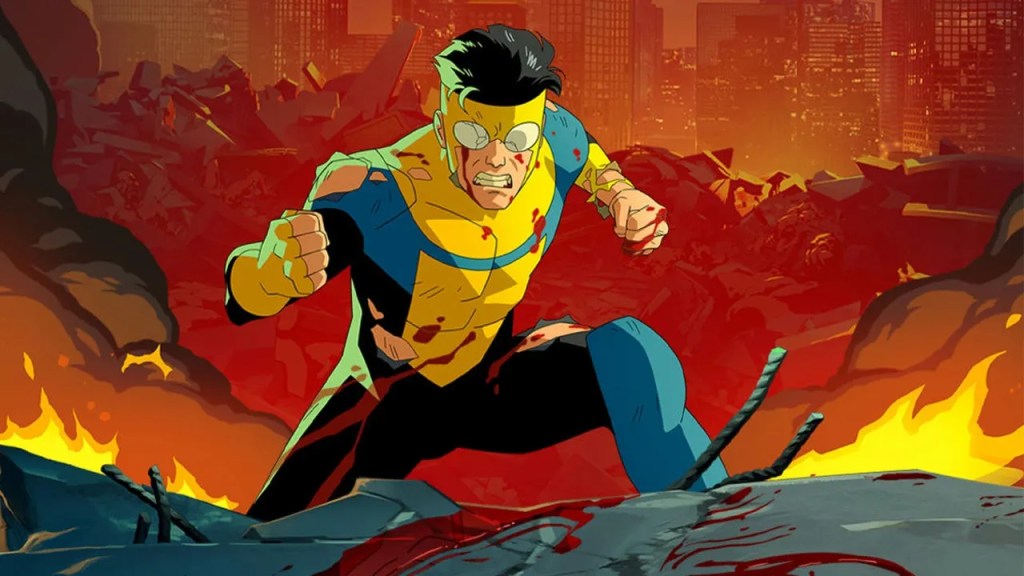
Amazon’s “Invincible” follows Mark Grayson, a high schooler in a world of superheroes and supervillains. Being the son of Omni-Man, a super-powered alien, Grayson develops powers such as flight and superhuman strength and speed.
But what he doesn’t know is that Omni-Man is also a brutal world-conqueror who has no limits in his willingness to murder anyone, including innocent people, who might stand in his way.
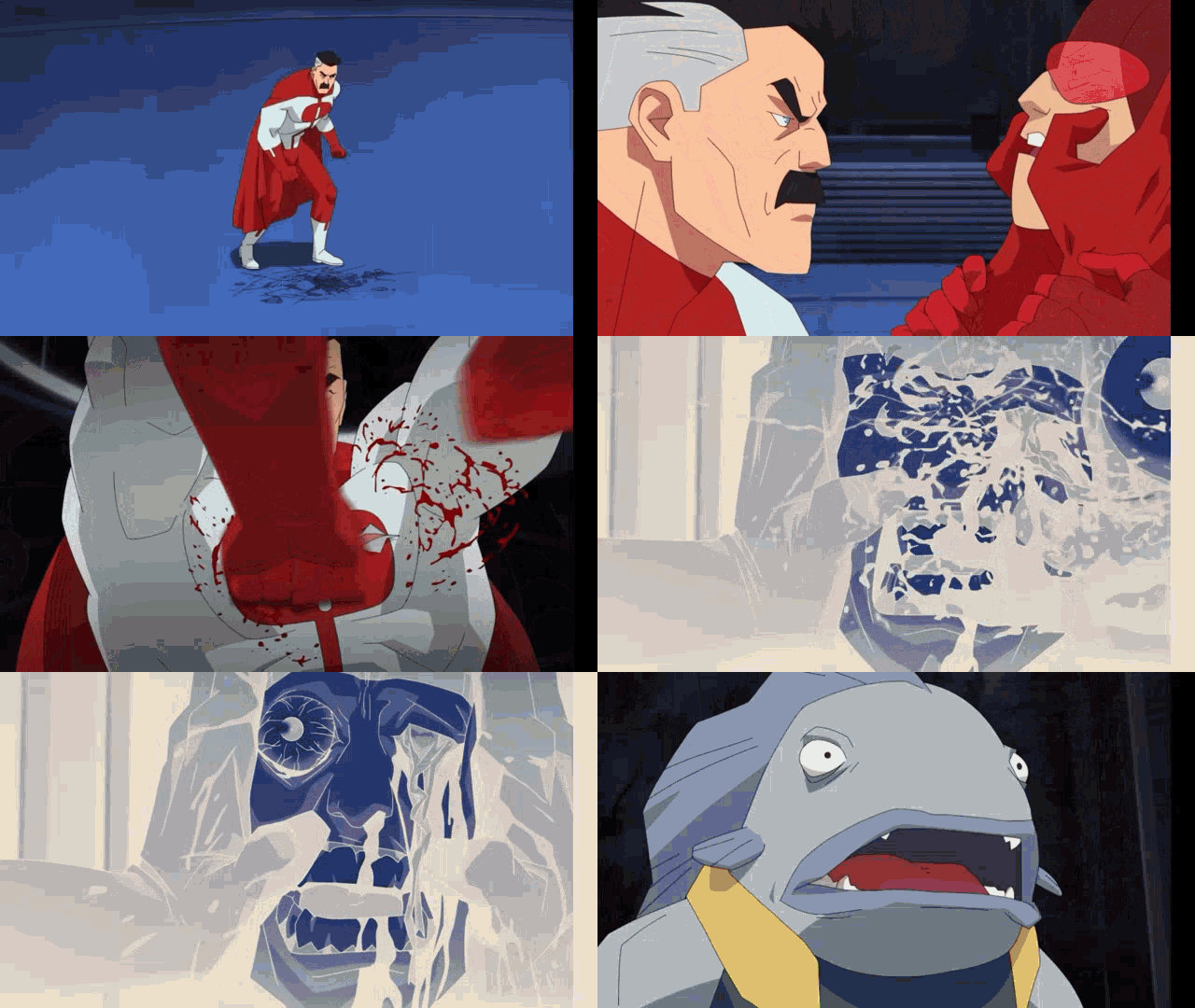
Over the course of the first season of “Invincible” (which has had three seasons), Grayson learns of his father’s savagery and confronts him about it. In response, Omni-Man beats his son to within an inch of his life.
The story of “Invincible” goes against the cliche that the good guy always wins. It isn’t afraid to kill off strong characters, have the protagonist face overwhelming defeats and show tragedy in a more realistic light compared to mainstream superhero media.
It’s a story of humanity, if anything. The world of “Invincible” constantly faces disasters that level cities and leave the world without hope or protection. The world recovers, but doesn’t forget.
Grayson loses almost all of his fights and is left in a broken household, but continues to make the world a better place in ways only he’s capable of. He carries his past experiences and mistakes with him, getting hung up on every person he wasn’t able to save despite the thousands he has.
The use of gore and blood hammer these points home. People lose limbs and get scars. The injuries don’t disappear, much like the mental baggage everyone harbors.
“The Boys”
Amazon’s live-action “The Boys” opens to a couple of kids walking down the sidewalk talking about their favorite superheroes. As they go to cross the street, a stolen bank van comes barreling toward them.
Moments before being crushed, a woman dressed in armor, Queen Maeve, comes crashing down in front of the truck and brings it to a halt. Then a man wearing the American flag as a cape, Homelander, swoops down and apprehends the criminals. On the surface, everything seems great, with superheroes Queen Maeve and Homelander defending the world.
Cut to our protagonist, Hughie Campbell. Campbell works for a tech store and has a loving girlfriend named Robin. Campbell plans to have a long-lasting relationship with Robin, discussing their future together outside of Campbell’s job. In the blink of an eye, a superhero sprints by, taking out Robin in the process. Engulfed in a cloud of blood, Campbell is left holding what’s left of Robin, her arms.
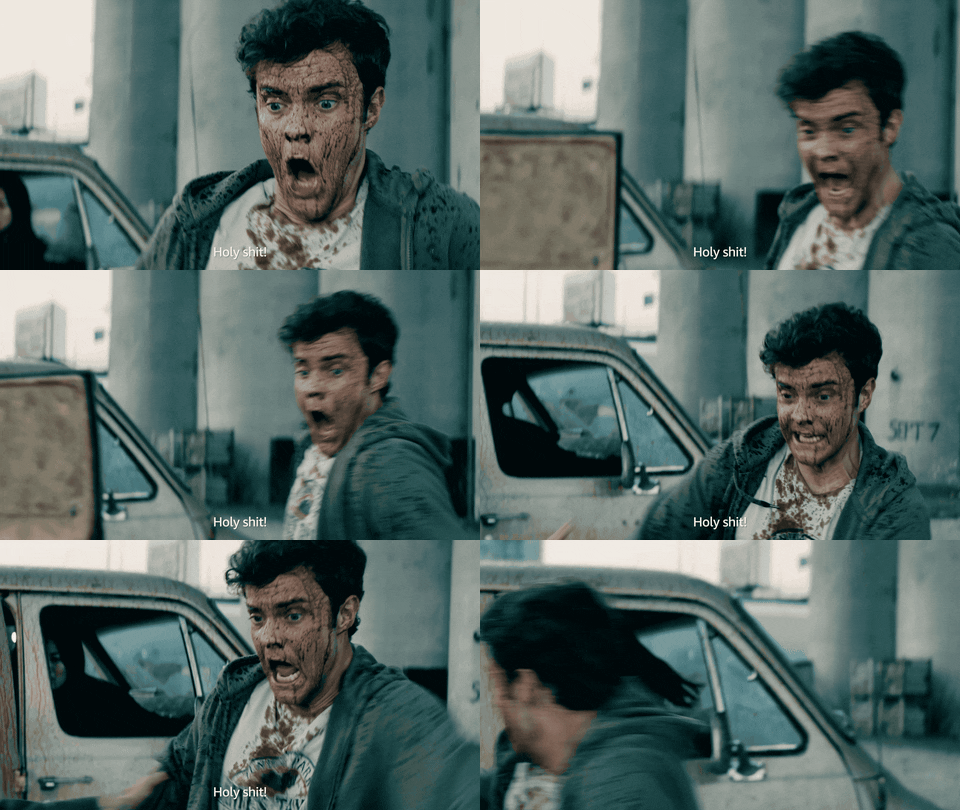
Later that night, Campbell is approached by Billy Butcher, someone who was also wronged by a superhero, more specifically Homelander. Butcher aims to rid the world of all superheroes through any means necessary and recruits Campbell to his rag-tag group of vigilantes.
“The Boys” is thoroughly saturated with satire. The use of bloody visuals and flashy deaths serves to drive the message further. The world of “The Boys” is full of corporatism, drugs, sex, violence and political discourse.
“The Boys” tackles real-world issues such as the abuse of sex workers, exploitation, blackmail, patriarchy and political corruption. Dozens are slaughtered daily in “The Boys” for the benefit of remorseless superheroes who go unpunished.
I watched “The Boys” while the trial was playing out for Sean Combs, better known as Diddy. Combs was sentenced to 50 months in federal prison for two counts of interstate prostitution. The penalty for interstate prostitution is supposed to have a minimum sentence of 10 years. Need I spell out the parallels for you?
“Peacemaker”
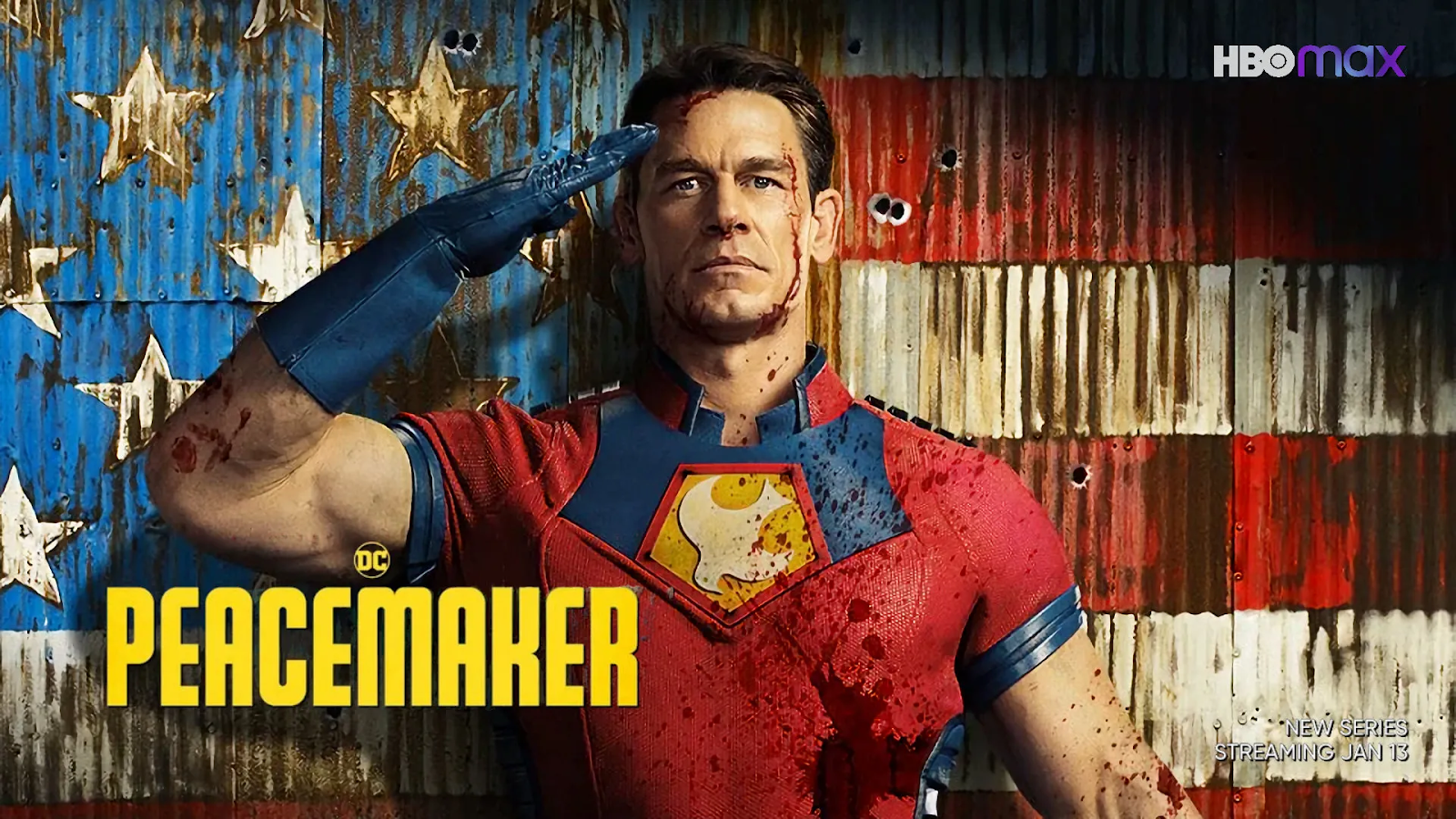
Full of guts and gore, HBO Max’s “Peacemaker” stands out from other superhero media by exploring a character who was written to be unlikeable and giving him polish. An offshoot of DC’s “The Suicide Squad,” the story follows an anti-hero named Peacemaker who has been discharged from the hospital after a near-death experience and immediately recruited into a black ops operation to save the world.
Peacemaker doesn’t do this hero stuff just for fun. He and his brother were raised by an abusive father who would goad his children into Fight Club-style matches. In one fight, Peacemaker landed a decisive blow, accidentally killing his brother and leaving a lasting mental scar upon himself.
Most of the violence in the show serves to show off Peacemaker’s skills or as comedic relief. In the first episode, Peacemaker is blindsided and thrown from a second-story window by his one-night-stand. Landing on the asphalt, Peacemaker crawls to his car. Moments before his demise, Peacemaker is able to put on one of his super-powered helmets. Exclaiming “Activate Sonic Boom!” he turns his attacker into a lifeless pile of meat.
Characters’ heads are blown off, are dismembered via katana, and are atomized throughout “Peacemaker,” but does the violence exist for comedic relief or to be flashy? The answer is yes. While other contemporary superhero media aim to pack messages behind the blood splatters, “Peacemaker” is strangely refreshing in how it sticks to a more basic portrayal of an anti-hero.
Conclusion
Don’t get me wrong, I loved Superman and Spider-Man and their traditional underdog-beats-villain formulas. But they could also be predictable and boring.
These new superhero spinoffs raise the stakes, going into violent extremes that their predecessors from Marvel and DC never dared, but in a way that veers on contemporary art. By taking digs at cultural norms and the current state of politics, these new iterations of superheroes have rejuvenated the space.
These shows address real problems we all face. For those of us trying to live in reality, instead of contending with an unstable wannabe-Superman or a war-crazed city-leveling alien, we have war-crazed politicians and unstable wannabe-leaders in a country ruled by corporate powers and mired partisan bickering and conspiratorial infighting.
 all Platts now
Leave a comment